
RESTORING A WILLAMETTE RIVER GEM
THE VISION: A COLLABORATIVE LANDSCAPE
Truax Island is a diverse 128-acre Greenway site situated within the Upper Willamette River Floodplain Conservation Opportunity Area. Because this land has a rich history of farming and gravel extraction, our goal is to balance historic land uses with modern conservation. Through a collaborative stakeholder process, we are transforming this “undeveloped” site into a high-functioning sanctuary for fish, wildlife, and public recreation.
THE CHALLENGE: OVERCOMING BARRIERS & INVASIVES
The primary watershed issue being addressed during the restoration of 27 acres of floodplain forest is the ecological degradation to the floodplain after it was deforested, cleared for agricultural use and eventually left fallow.
Once agricultural operations ended, the site was quickly colonized by invasive weeds, including Armenian blackberry (Rubus armeniacus), English hawthorn (Crataegus monogyna), common tansy (Tanacetum vulgare), and teasel (Dipsacus spp.).
These non-native, invasive plants degrade the quality of the floodplain for juvenile salmonids who seek these areas as refuge during floods and capitalize on the opportunity to forage on terrestrial insects. studies have concluded that native vegetation provides higher quality forage opportunities not just for salmonids but native birds and other wildlife.
The only legal public access to Truax Island is owned by OPRD and crosses over Dead River. A 5ft diameter corrugated metal pipe (CMP) culvert on the east side of the Dead River crossing used to provide conveyance for Dead River flows prior to the road overtopping.
Despite its beauty, Truax Island faces significant ecological hurdles that currently limit its potential:
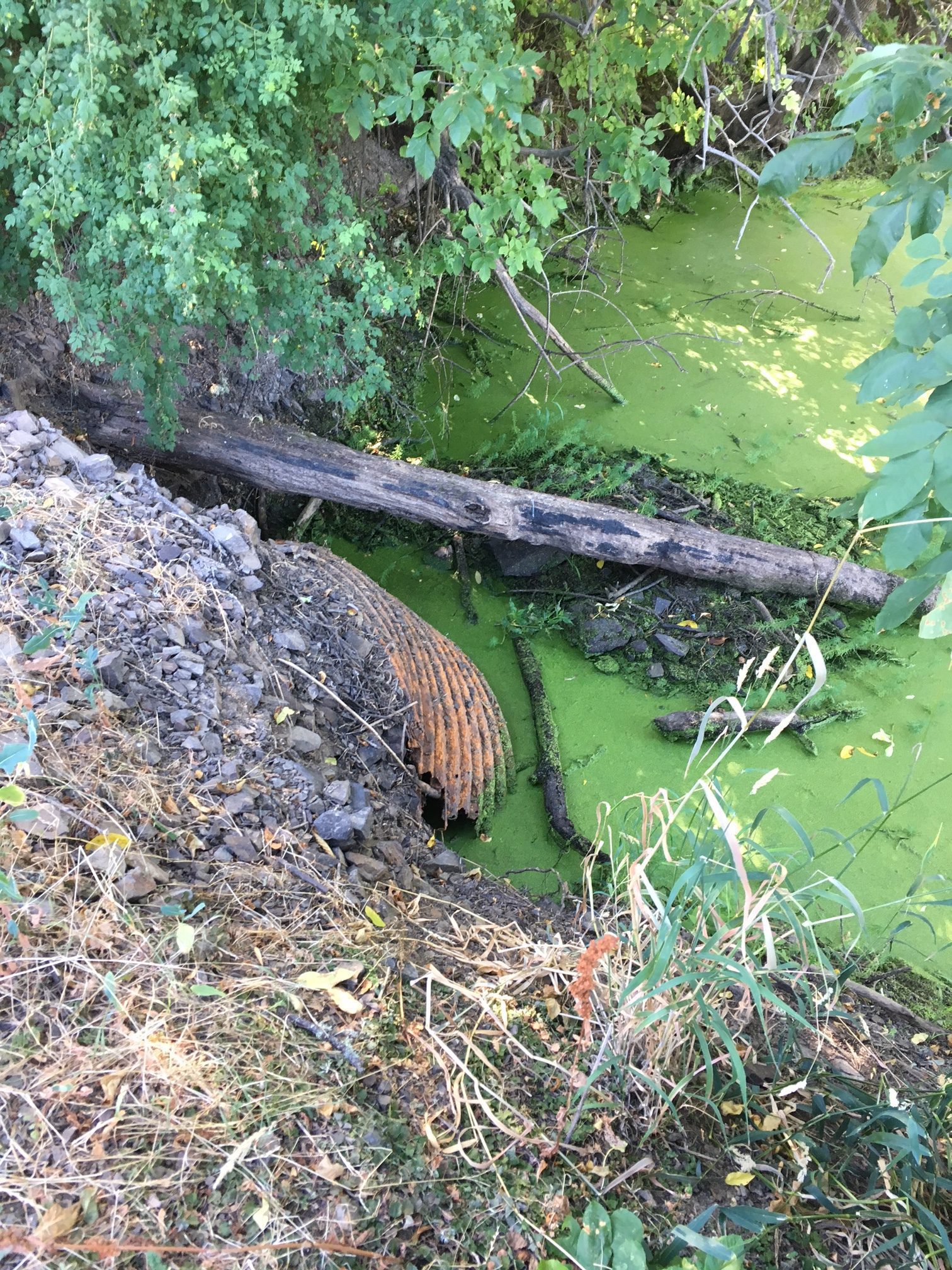
- The “Fish Trap” Culvert: The primary access over Dead River relies on a failing 5-foot culvert. Now collapsed and undersized, it restricts fish access to 1.95 miles of vital off-channel rearing habitat and creates stagnant, warm water that favors non-native species.
- Ecological Degradation: Years of agricultural clearing left the floodplain vulnerable. Today, much of the eastern portion is dominated by a monoculture of invasive Armenian blackberry, English hawthorn, and teasel.
- The Gravel Pit Legacy: A 26-acre gravel site currently harbors warm water and invasive aquatic weeds. We are working with the Knife River Corporation to reclaim and enhance this area before it is eventually transferred to public ownership.
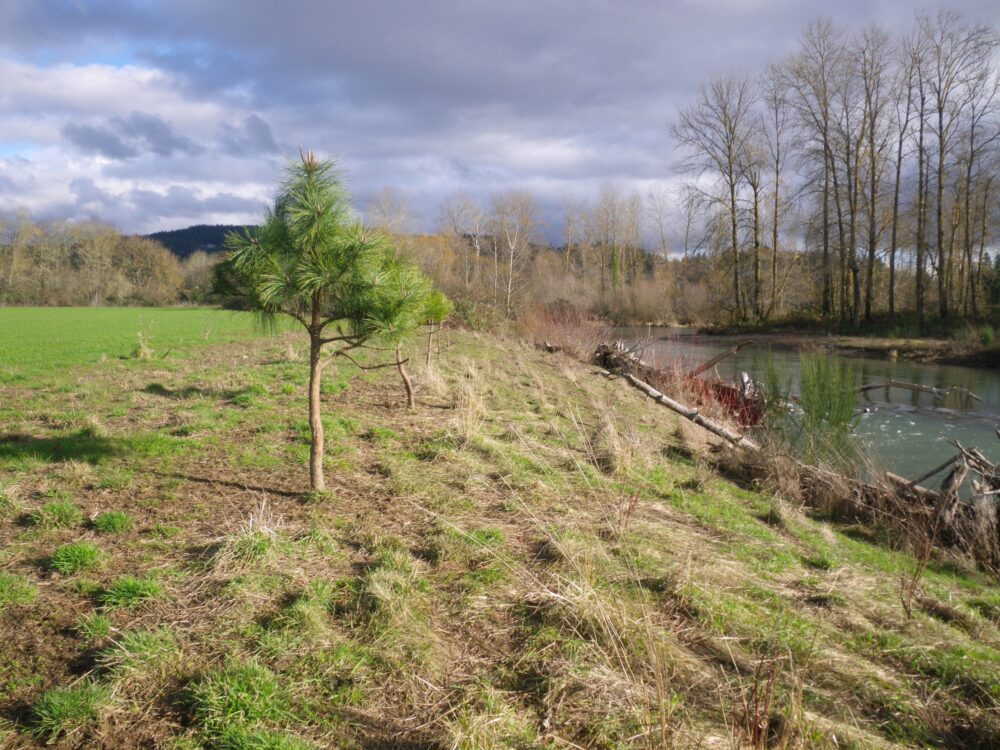
One unique aspect of the Truax Island project is the presence of 8.7 acres of Willamette Valley Ponderosa pine (Pinus ponderosa var. willamettensis) and Oregon white oak (Quercus garryana) habitats.
This upland, vegetation community is uncommon in such close proximity to the Willamette River floodplain and offers unique opportunities for upland species, including the Western pond turtle, bald eagle, willow flycatcher, and white-breasted
nuthatch.
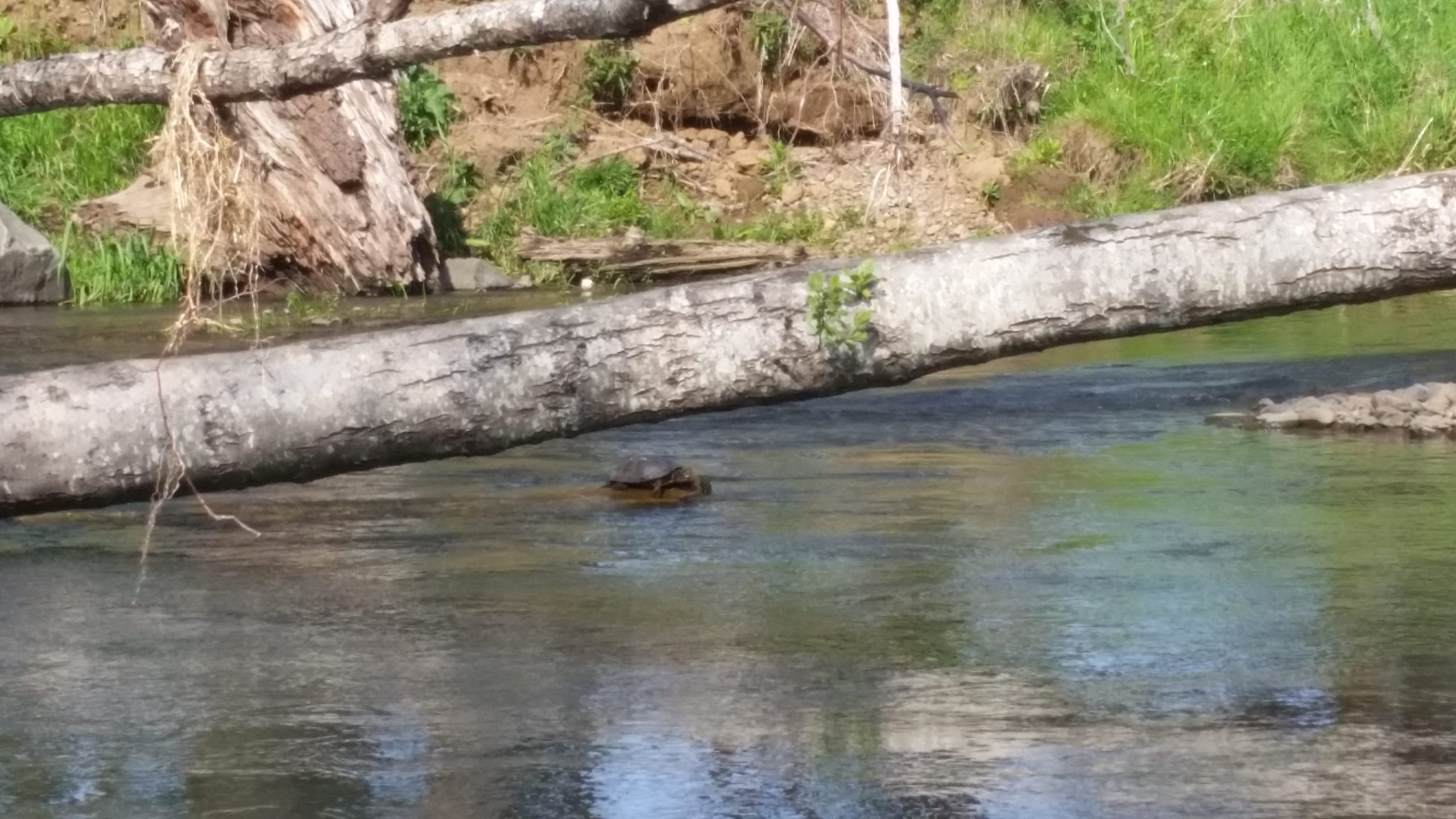
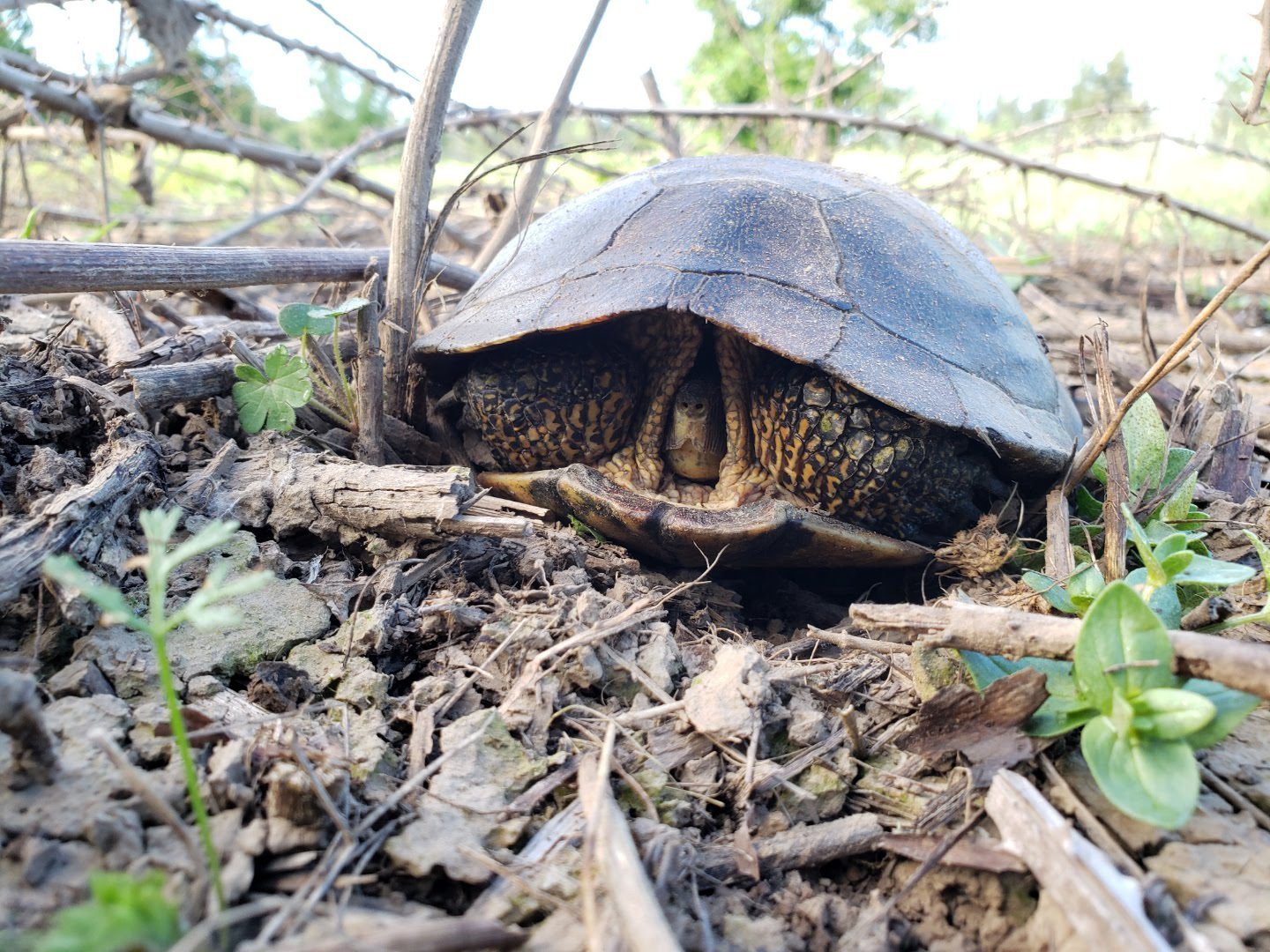
TRUAX ISLAND IS POPULAR HABITAT FOR WESTERN POND TURTLES IN PARTICULAR.
INVASIVES REMOVAL & NATIVE RE-VEGETATION
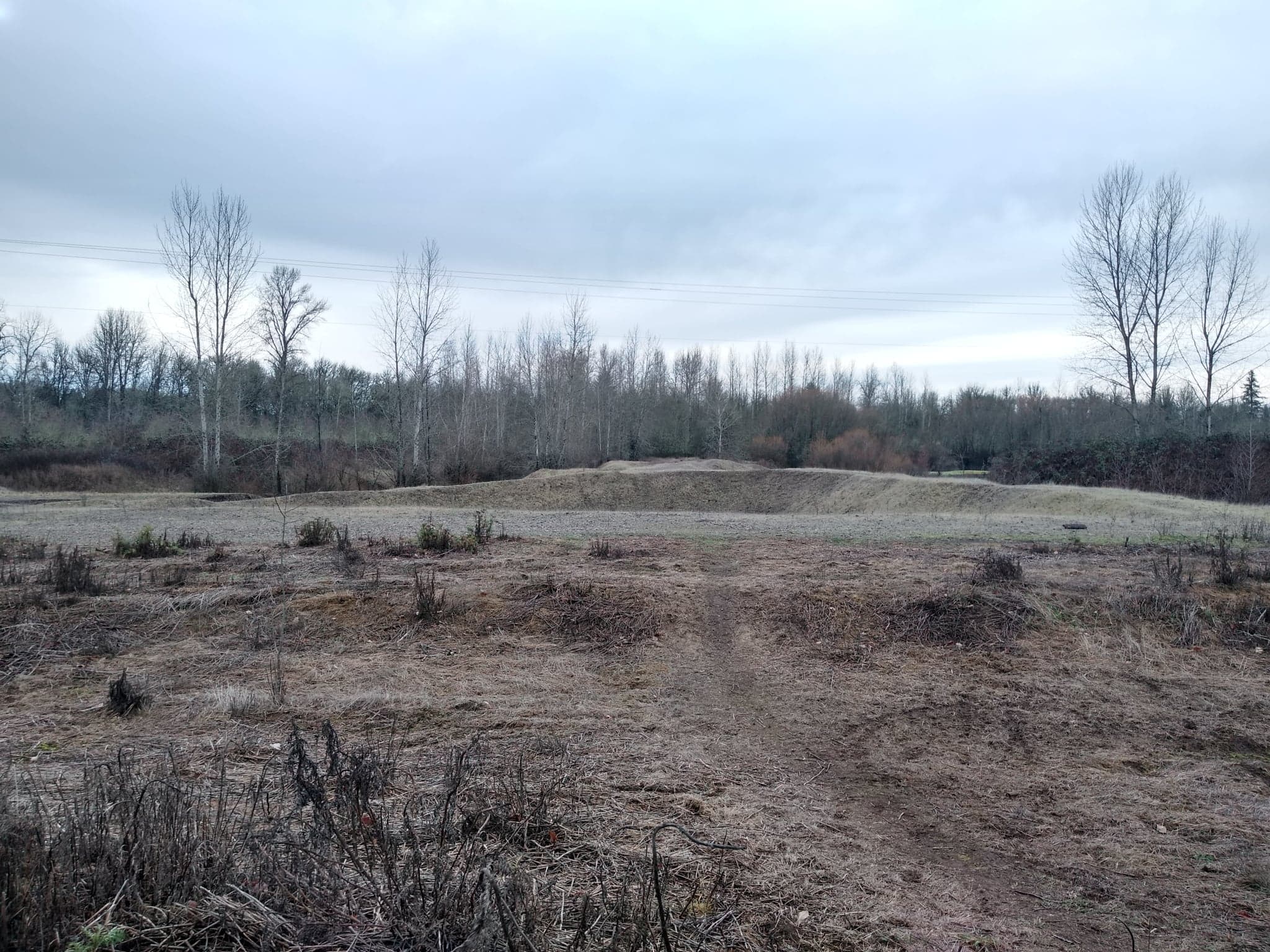
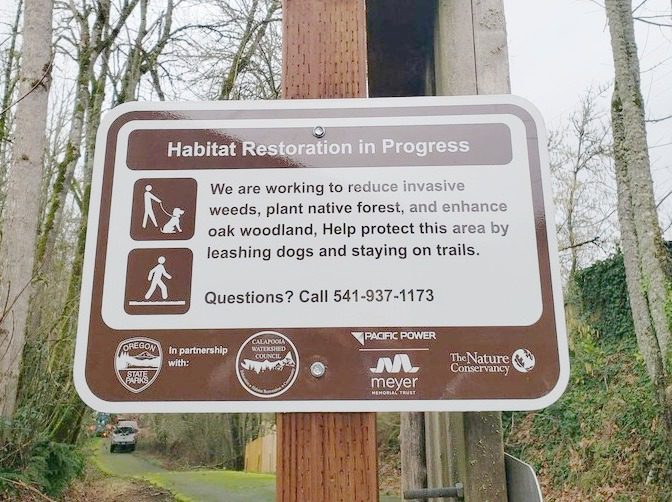
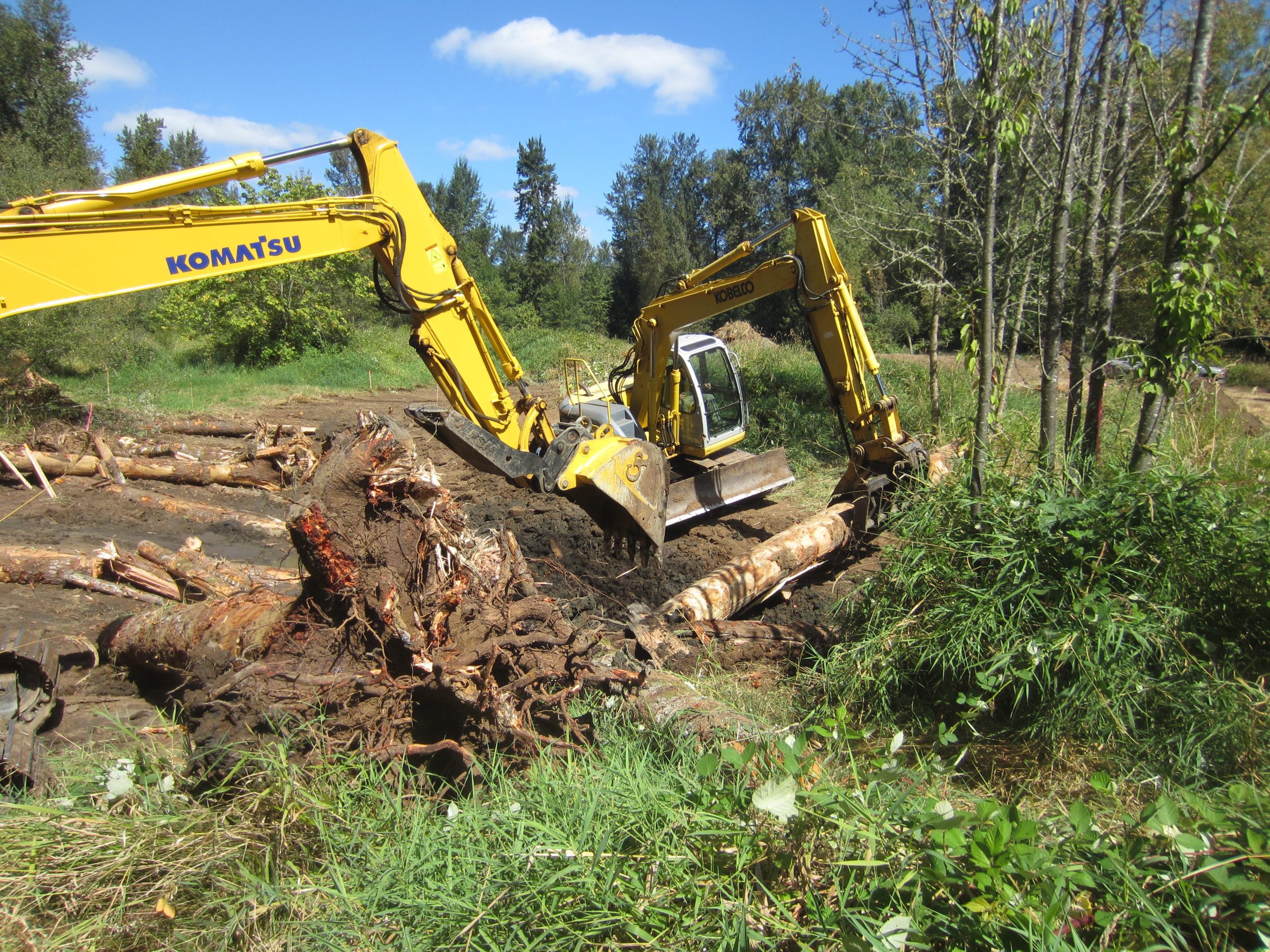
To restore this valuable floodplain habitat along the Willamette River, site preparation began in 2018. Work has consisted of manual and machine removal of blackberry thickets and other invasives with follow-up herbicide applications in the spring and fall.
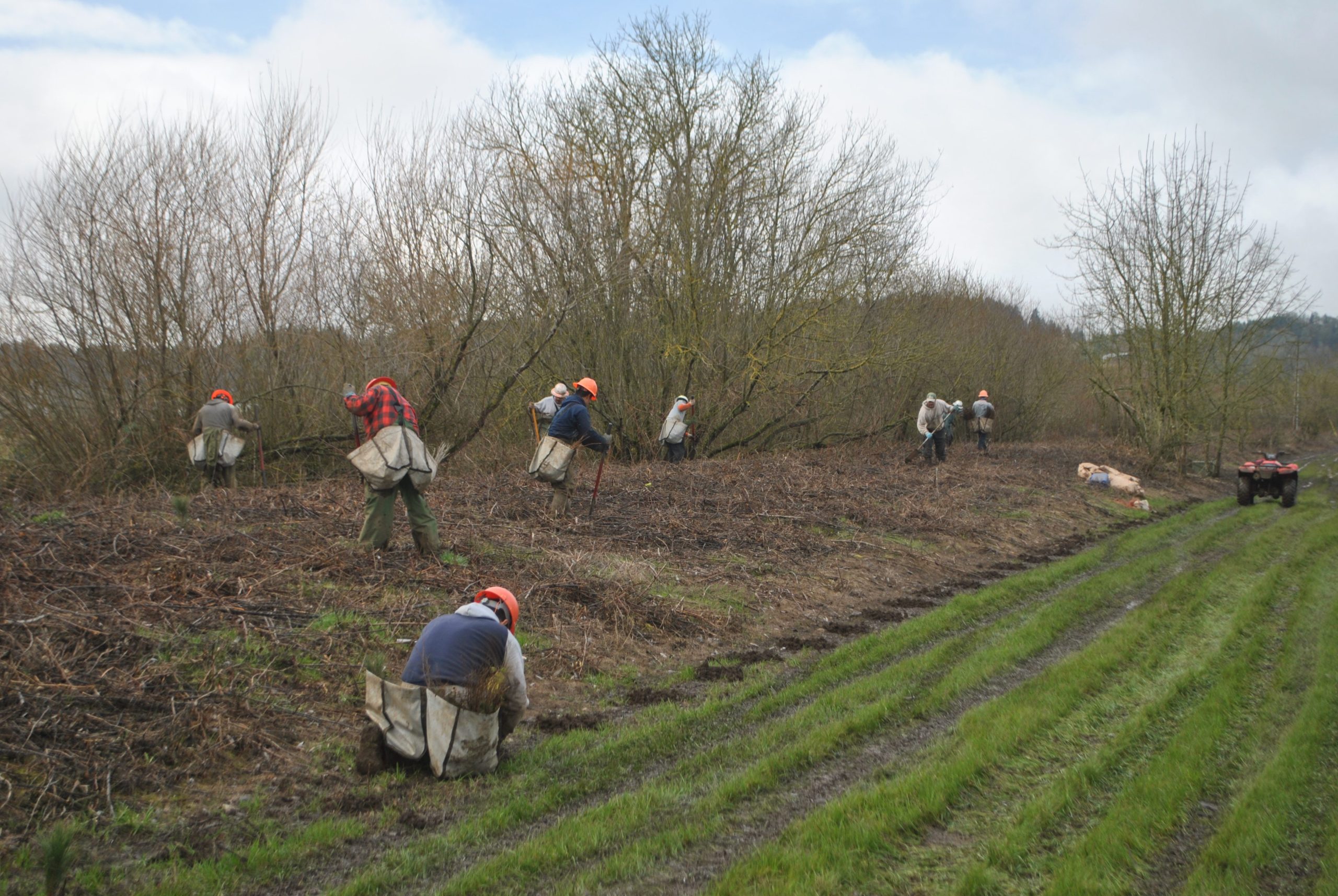
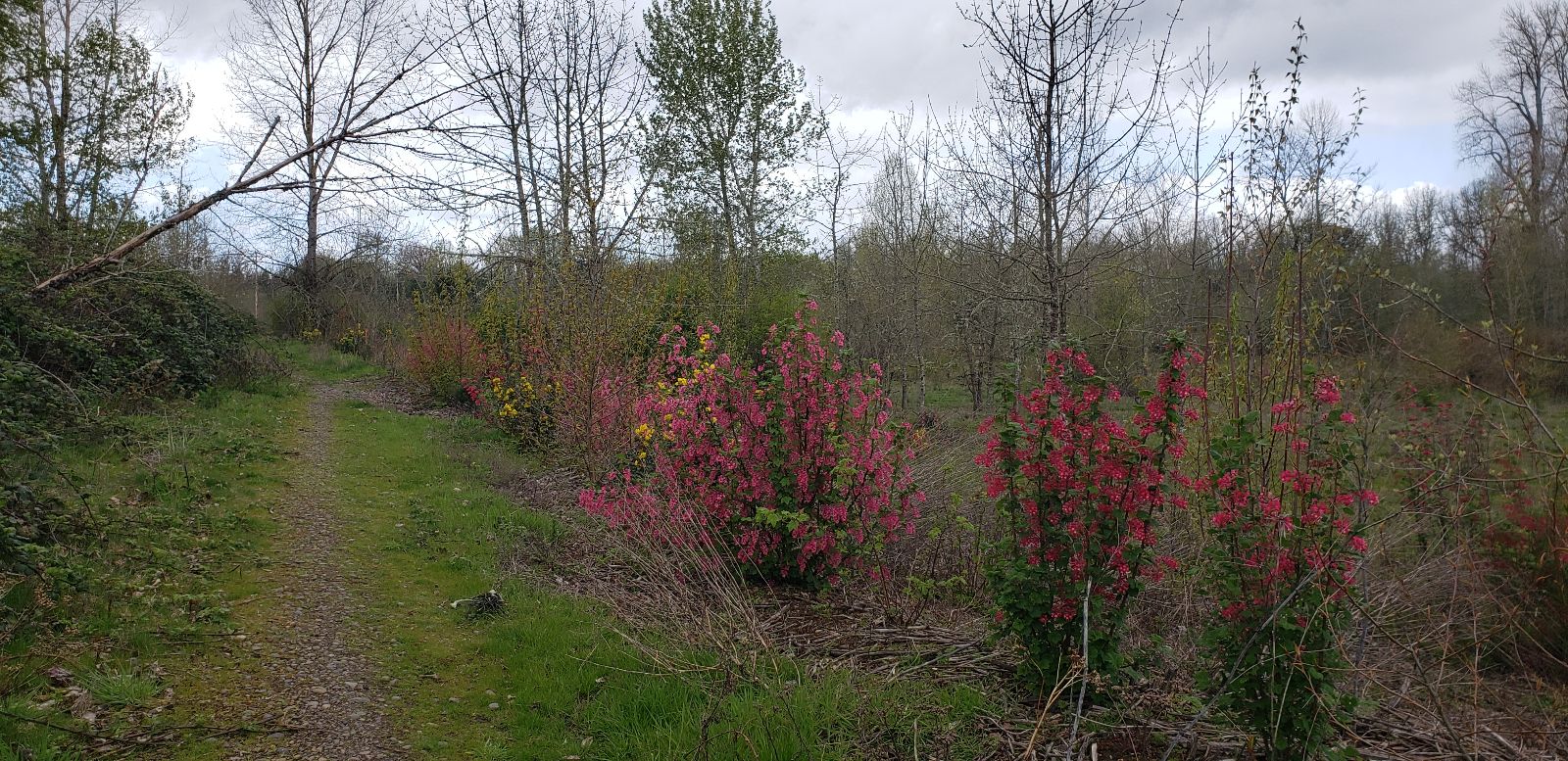
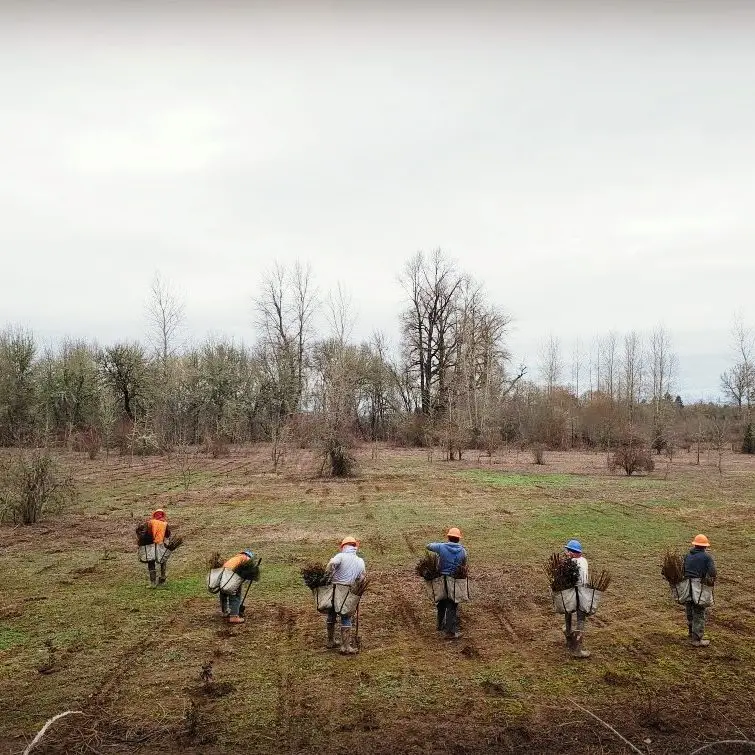
In winter of 2020, the Calapooia Watershed Council and R. Franco Restoration installed 27,300 native trees and shrubs, and another 5,500 plants in the winter of 2021.
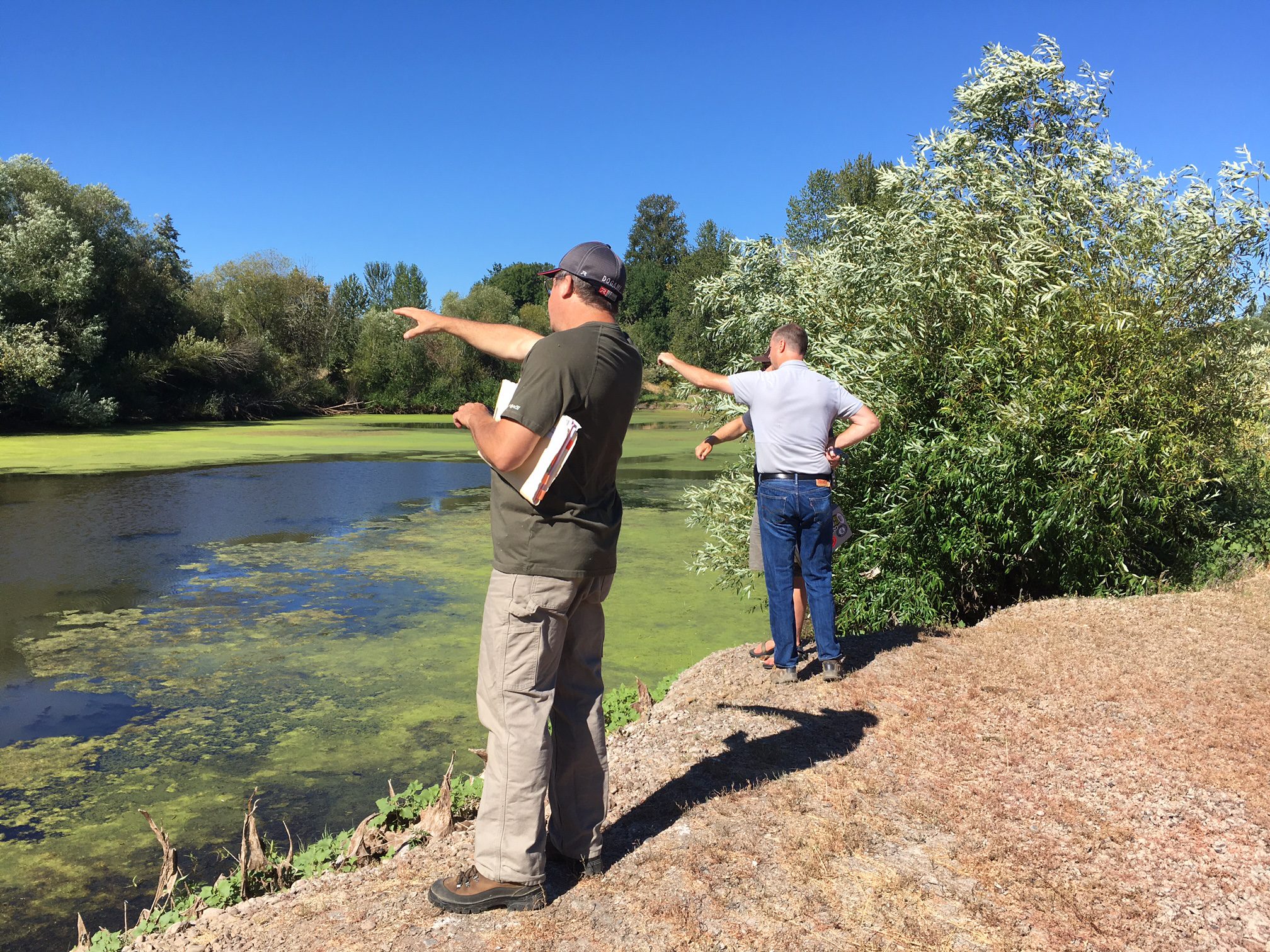
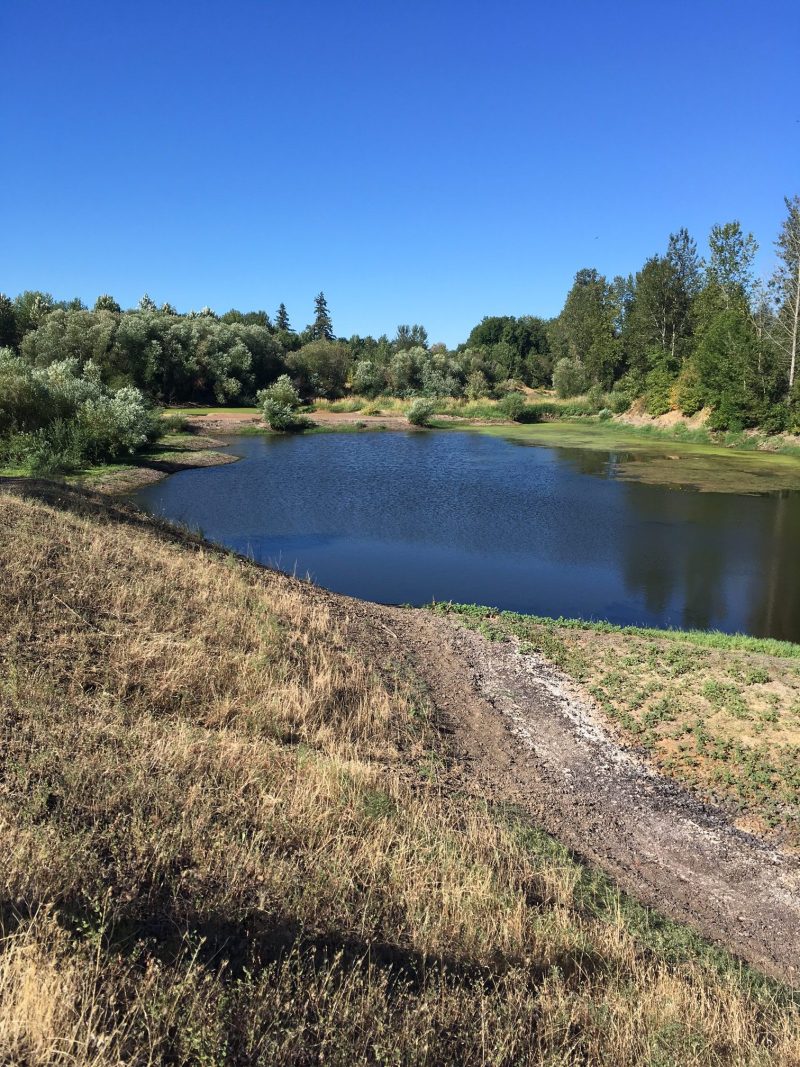
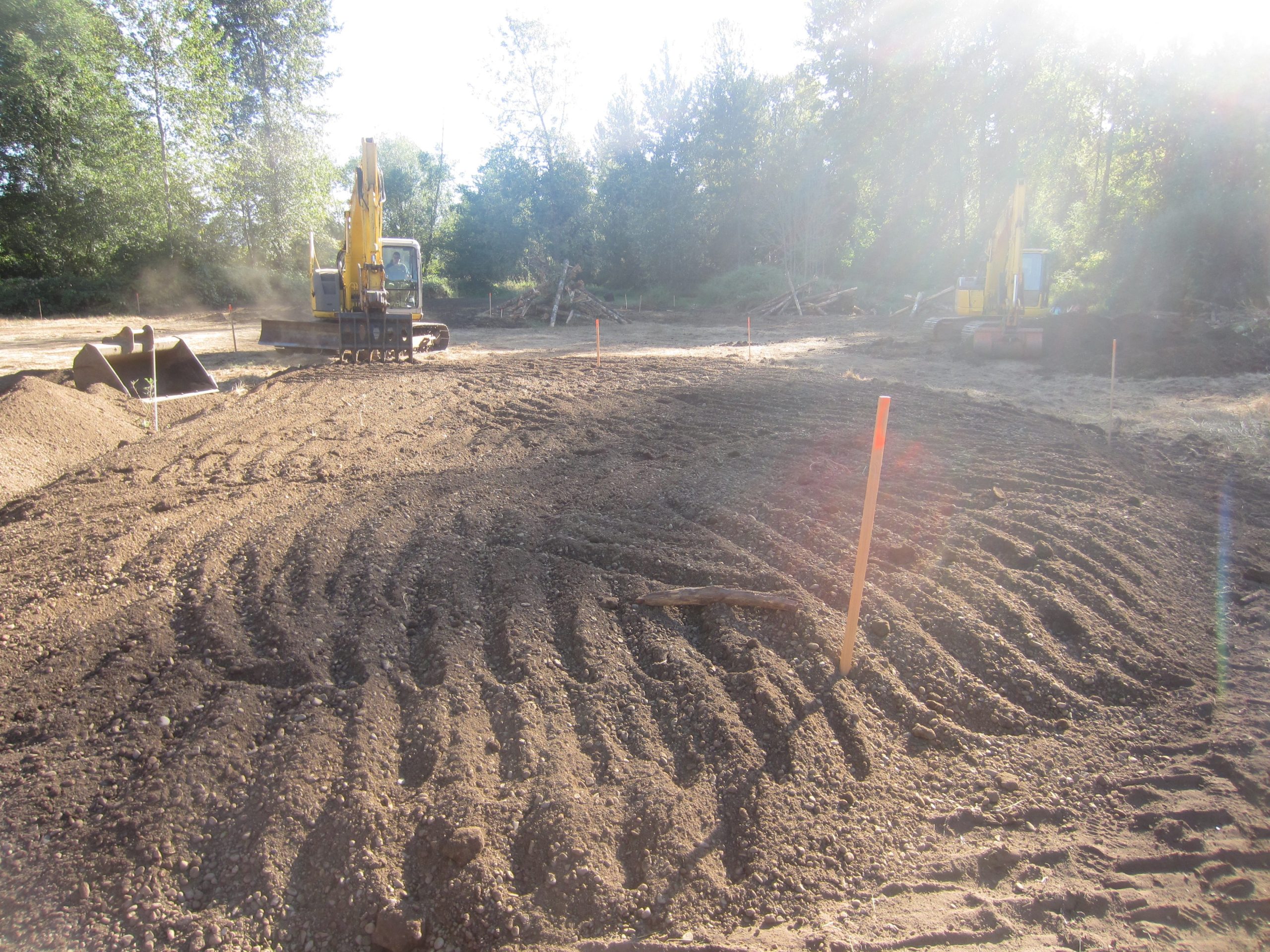
The gravel extraction permit, held by Knife River, is still open, but the company plans to complete the mining, perform reclamation and enhancement actions, in collaboration with the stakeholder team, and transfer ownership of the 26 acres. The pit holds water year round but is only connected to Dead River for a portion of the year via a very small shallow constructed channel which is dry during the summer months. The pond harbors warm water, non- native fish species, aquatic weeds and algae; an unfriendly environment for salmonids even when they can access the pit during high water.

The Dead River Bottleneck: A Crisis of Connectivity
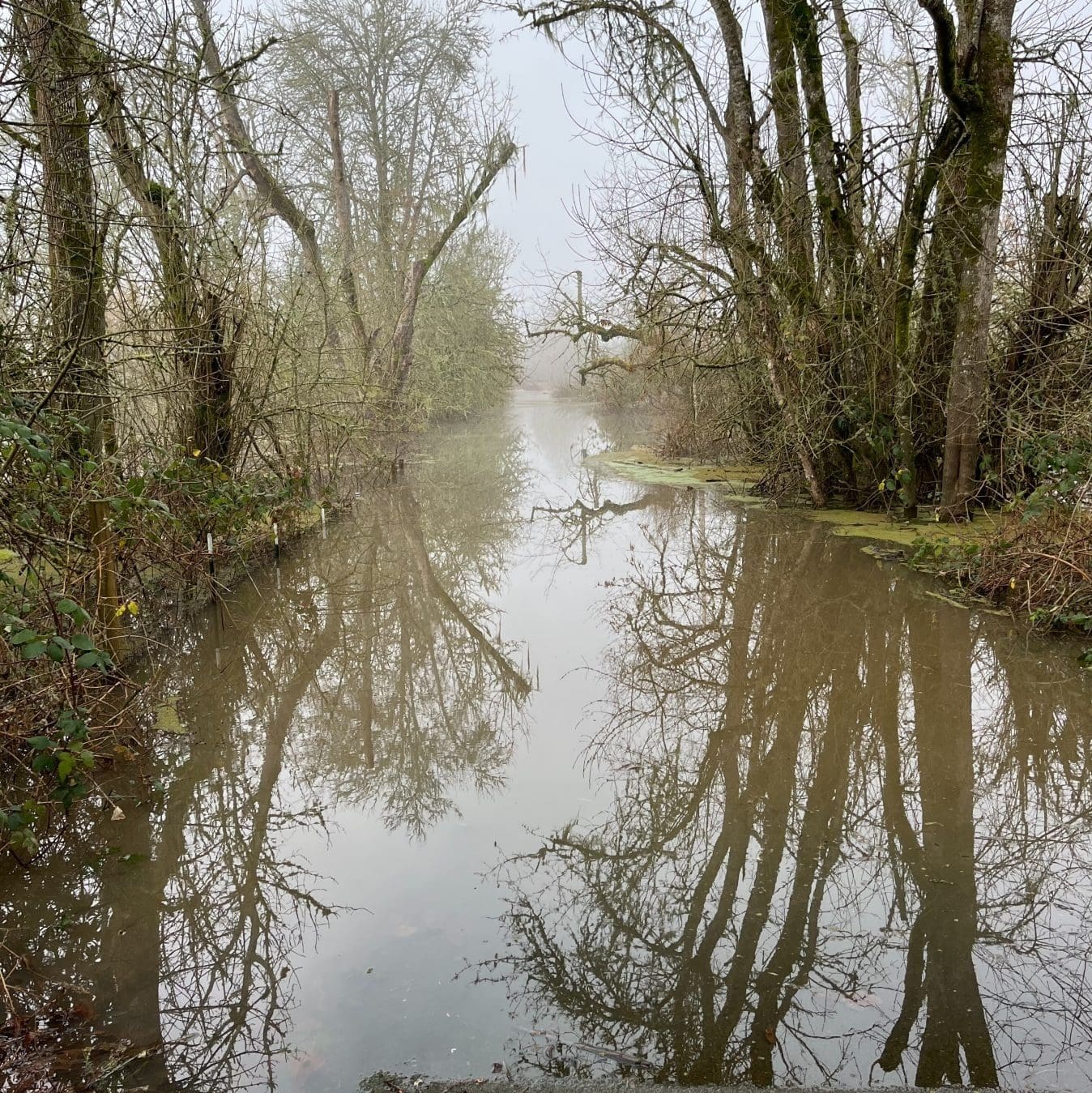
The Dead River Slough is a vital artery for Truax Island, intended to provide nearly two miles (1.95 miles) of slow-water refuge for juvenile salmon and steelhead. However, a single point of failure—the crossing on the east side of Dead River—has turned this potential sanctuary into an ecological hazard.
the engineering failure
For years, a 5-foot diameter corrugated metal pipe (CMP) culvert served as the primary conveyance for the Dead River. However, this structure was fundamentally undersized for the power of the Willamette’s floodwaters.
- The “Crush” Cycle: Because the pipe could not accommodate high flows, floodwaters frequently overtopped the road with such force that they eroded the roadbed and eventually crushed the exposed pipe.
- The Current State: The culvert has now collapsed on its upstream end. It acts as a structural plug, trapping woody debris and sediment. Instead of a flowing channel, the culvert now functions like a small, unintended dam.
Why the Dead River Matters
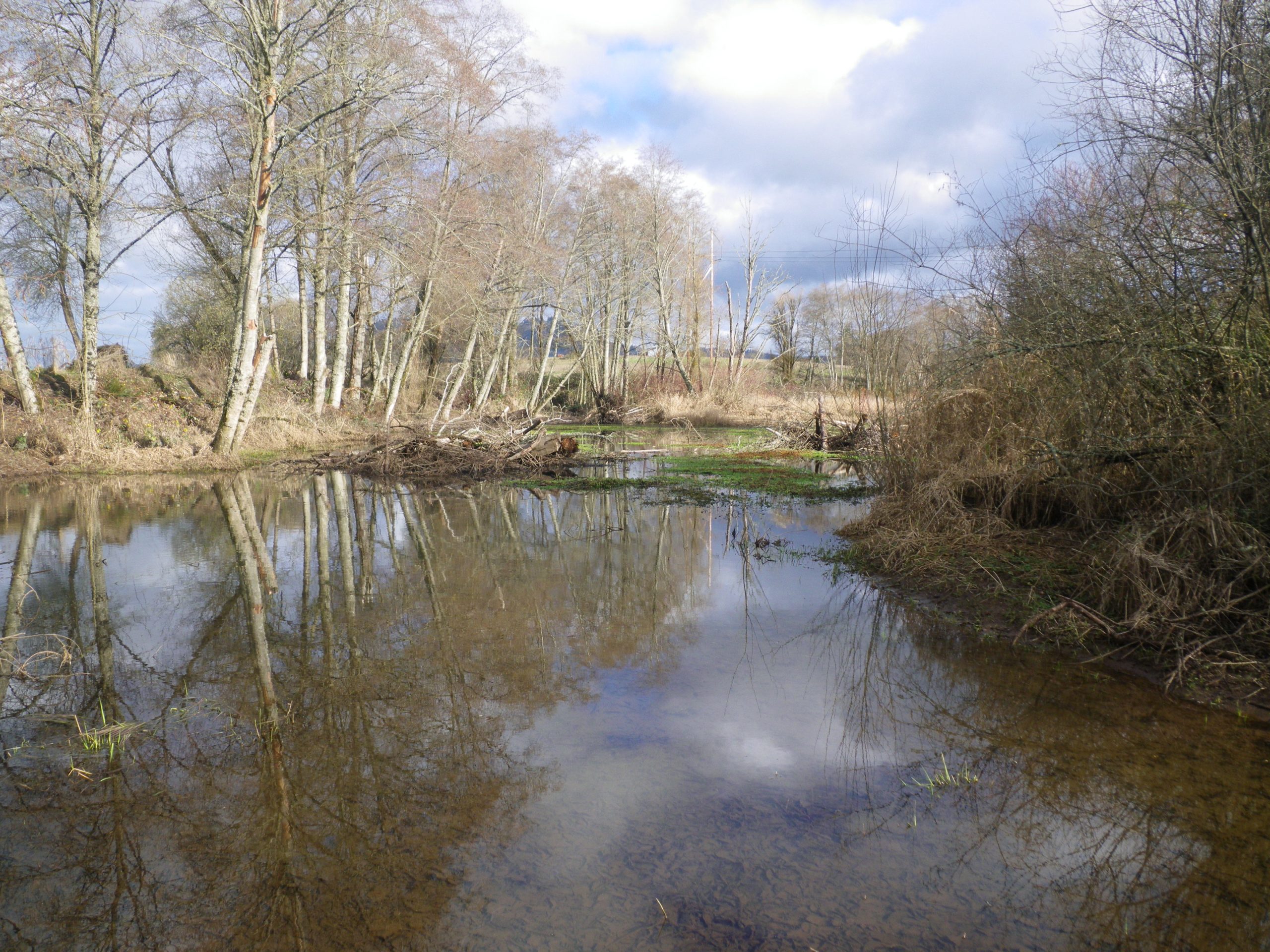
Approximately 70% of Truax Island sits within the 2-year inundation zone. When the Willamette rises, the Dead River is the first area to fill, acting as a natural “pressure valve” for the river. By fixing the culvert, we ensure that this water—and the fish within it—can move freely between the floodplain and the river, restoring a cycle that has been broken for decades.
ecological impact
This failed infrastructure creates three major threats to the Endangered Species Act (ESA)-listed fish:
#1 – the passage barrier
The collapse physically restricts migratory fish from accessing 1.95 miles of high-quality off-channel rearing habitat.
#2 – the fish trap effect
During the roughly 10 days a year when the road is overtopped, fish can swim over the crossing into the Slough. However, as the river recedes, the water level drops too quickly. Because the culvert is plugged, the fish are stranded in upstream pools with no way back to the mainstem Willamette.
#3 – thermal & predatory stress
The stagnant water held back by the collapsed pipe heats up rapidly in the summer. These warm, still waters become a breeding ground for non-native, invasive fish that prey upon or compete with native salmonids
In 2024 we secured funding from NOAA to replace two of the crossings which constitute fish passage barriers, as well as at Murder Creek and the Central Floodplain within the Albany Oxbows Complex.
Engineering and Design Plans and Permitting are underway with an anticipated start date for the culvert replacements of Summer 2026.
OUR RESTORATION STRATEGY
We are taking a multi-phased approach to heal the island’s hydrologic and terrestrial systems:
1. Restoring Fish Passage
- Removing the Barrier: In 2024, we secured NOAA funding to replace the failed crossings at Truax Island, as well as Murder Creek and the Albany Oxbows. Replacing the collapsed culvert will finally provide safe, consistent passage for federally threatened Upper Willamette River Chinook salmon and Steelhead trout.
- Modern Engineering: Installing a crossing designed to handle the volume and velocity of the Willamette’s 2-year inundation cycle.
- Restoring Flow: Clearing the fine sediment and debris buildup at the confluence to allow the Dead River to breathe, move, and support life as a natural floodplain once again.
2. Rebuilding the Floodplain Forest
Native vegetation provides far superior forage for salmonids and birds compared to invasive weeds. Our efforts include:
- Invasive Removal: Rigorous manual and mechanical clearing of blackberry thickets.
- Large-Scale Planting: In a massive team effort, we installed over 32,800 native trees and shrubs between 2020 and 2021.
- Oak & Pine Management: We are thinning a unique 8-acre stand of mature White Oak and Ponderosa Pine to support a more diverse, healthy understory.
3. The Outdoor Classroom
Truax Island serves as a premier outdoor classroom. By visiting the site, students and community members can see firsthand how adequate fish passage and floodplain connectivity directly contribute to the health of the entire Willamette Basin.