

Noxious weeds costs our local and state governments many millions of dollars every year, not to mention moderate to extreme degradation of property function in our basin that is 94% privately owned. By uniting on this serious threat, the watershed council can continue to provide education, outreach, assessment, and often times necessary treatment.
The watershed council has taken a lead role in the treatment of early threat invasive weed species along our streams, with a focus on the mainstem Calapooia.
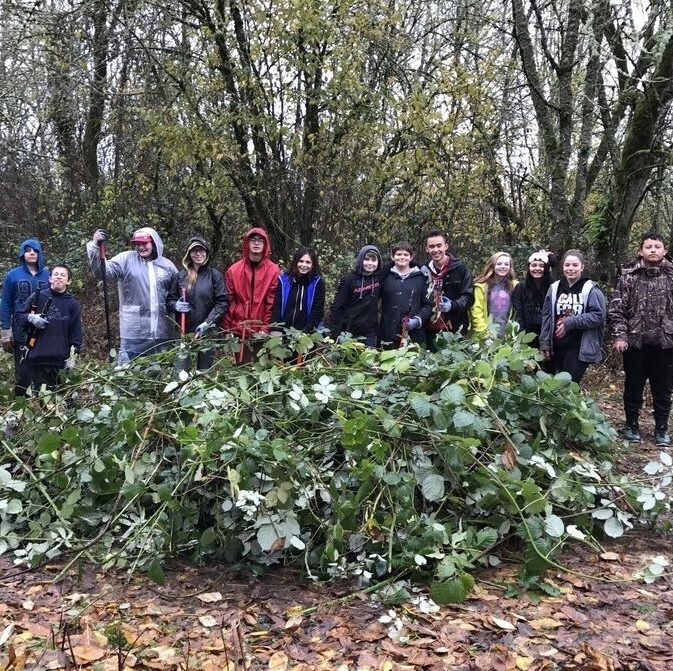
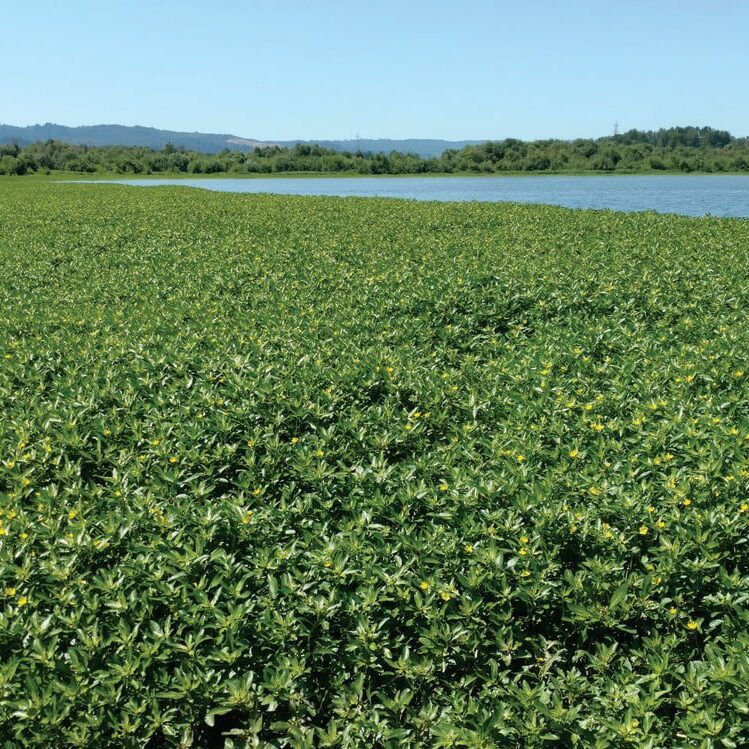
System-wide outreach has occurred for invasive weed control with hundreds of landowners providing permission for weed inventory and treatment. To-date, target species have included Ludwigia, Japanese knotweed, false brome and English ivy.
The watershed council has surveyed and treated the entire mainstem Calapooia for Japanese knotweed annually since 2006. The council and its partners have unfortunately relinquished funding and treatment of false brome unless found to exist at current projects sites because of its widespread infestation in our headwaters and the basins to the south and north of the Calapooia. Every stream restoration project site, whether fish passage, instream habitat or buffers, experiences aggressive noxious weed control as directed by our staff.
The rapid expansion of weedy plant species threatens our goal, because these invasive plants can dominate and often cause permanent damage to natural plant communities. Acres of once healthy, productive forestlands and riparian areas have been overrun by noxious or invasive weeds. Damage to streamside habitats is particularly detrimental for salmon, which depend on shaded, winding streams with adequate food sources.
Other Species of Concern
The Emerald Ash Borer (EAB) aka “The Green Menace” is a very small but very destructive beetle. Metallic green in color, its slender body measures 1/2-inch long and 1/8-inch wide. The average adult beetle can fit easily on a penny.
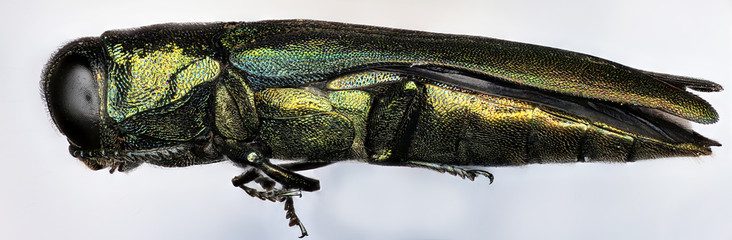
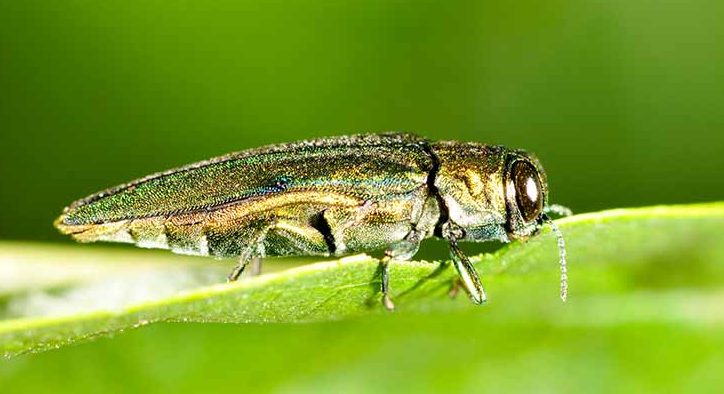
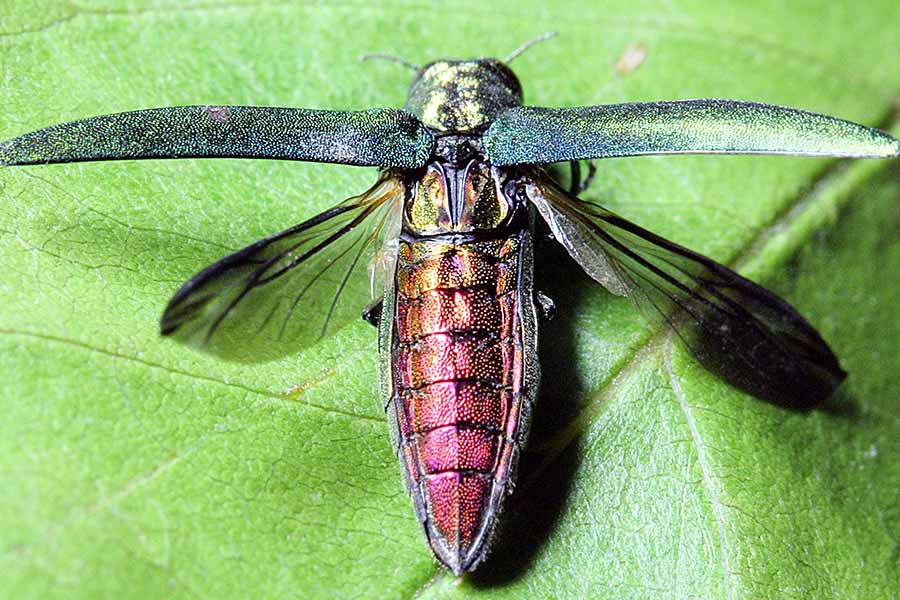
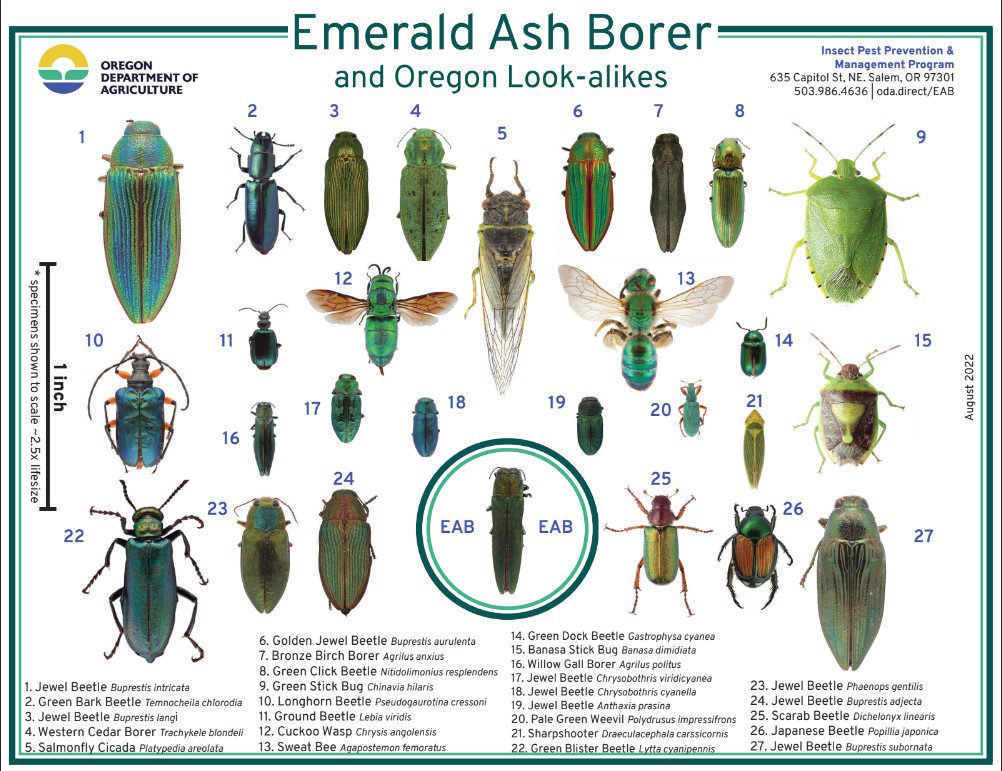
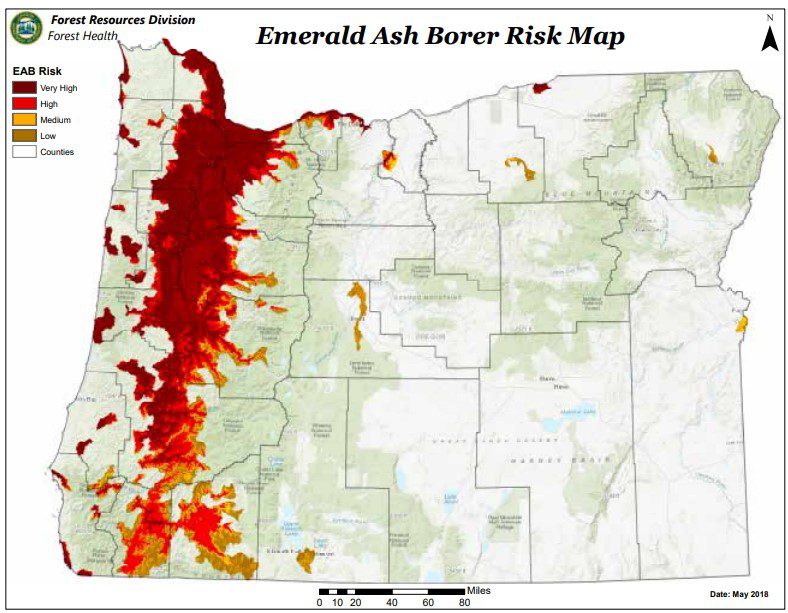
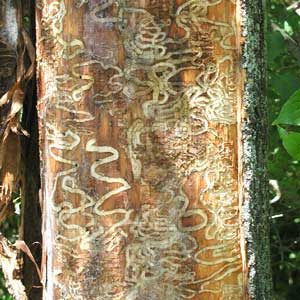
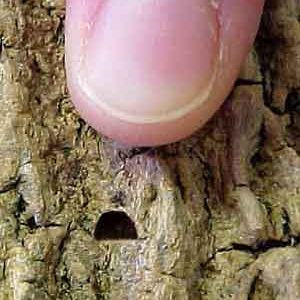
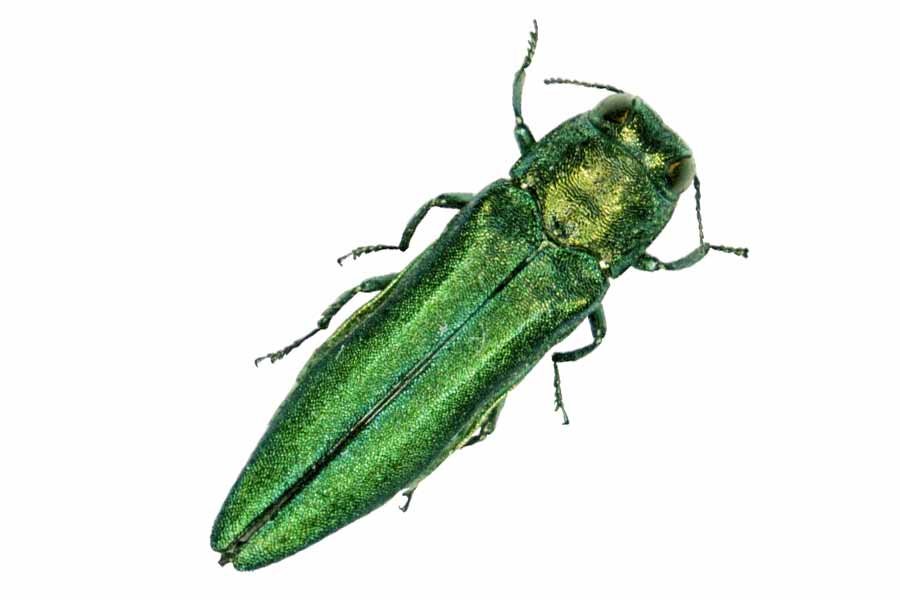

OREGON DEPARTMENT OF FORESTRY is asking landowners to learn about the present threat to Oregon ash trees. Oregon ash is known to be highly susceptible to EAB.
Oregon ash is a key part of riparian forests and wetlands west of the Cascades. It grows along streams, rivers and wetlands below 2,000’ elevation, with 80 percent of the species occurring below 1,000’ elevation. At the lowest elevations (below 500’) it forms pockets of pure stands.
Besides native Oregon ash, susceptible EAB hosts in Oregon include common landscape ash species: green, white, narrow‐leafed (especially the cultivar ‘Raywood’), and European ash. EAB is also known to feed on botanical relatives of ash, including white fringetree (Chionanthus virginicus) and cultivated olive (Olea europaea). In the eastern U.S., EAB has caused over $2 billion in damages. Most of the costs are from losses in residential property values, tree removal and replanting in urban areas. EAB moves quickly; it can cause nearly complete mortality of ash trees within about 10 years after detection.
Additional Resources about Invasives
Oregon iMapInvasives
from Oregon State University
Oregon State County Weed Program Contacts
Oregon Department of Agriculture
Headwaters Infestation Maps
Holley Area
Upper Watershed