
LONG-TERM MONITORING: TRACKING THE HEALTH OF BRUSH CREEK
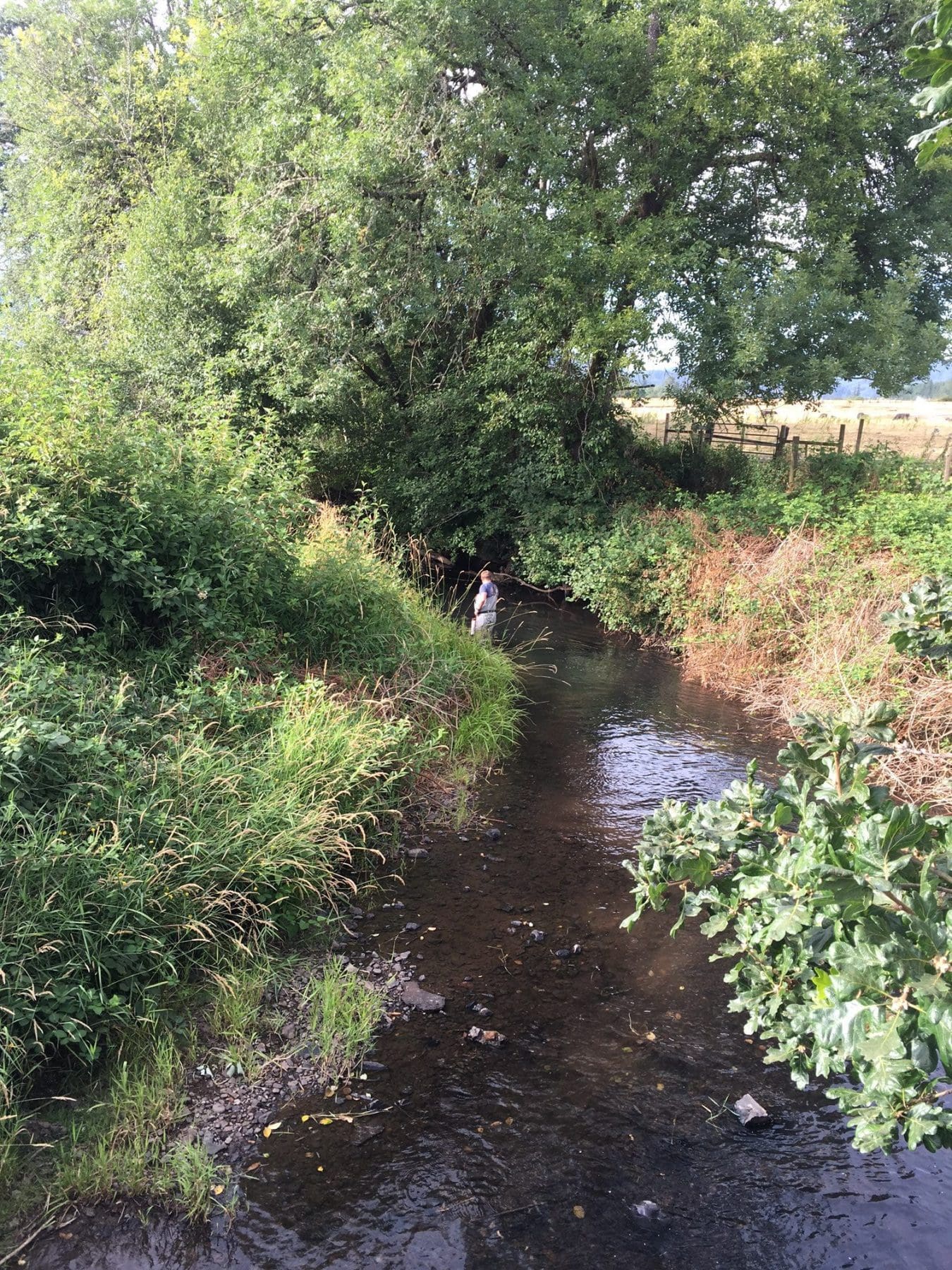
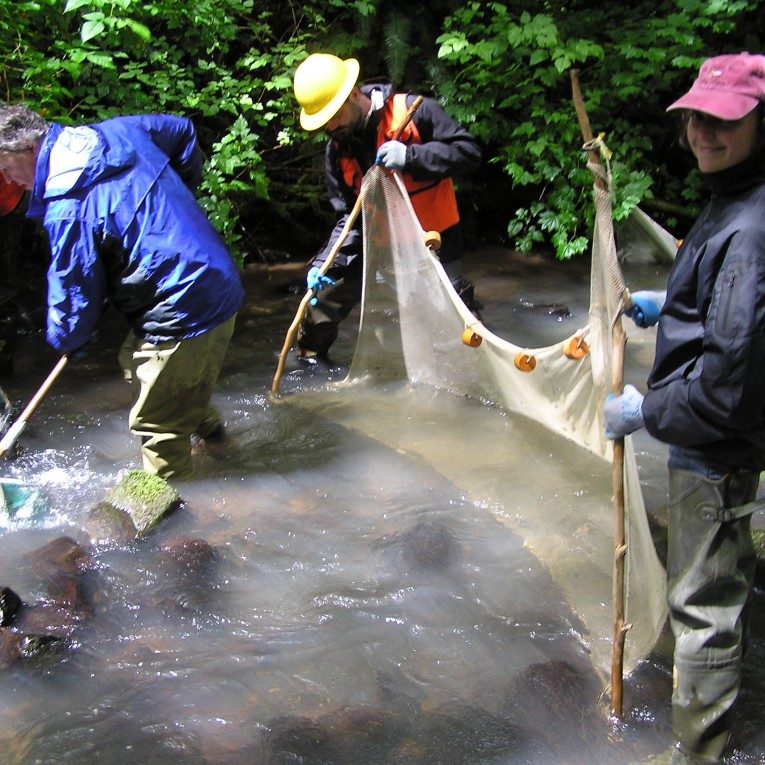
Through a dedicated 20-year monitoring partnership, the Calapooia Watershed Council (CWC) is tracking the long-term success of our restoration efforts. By deploying strategic temperature loggers and conducting regular vegetation surveys, we can measure exactly how our projects impact aquatic health.
THE SCIENCE OF A COOL STREAM
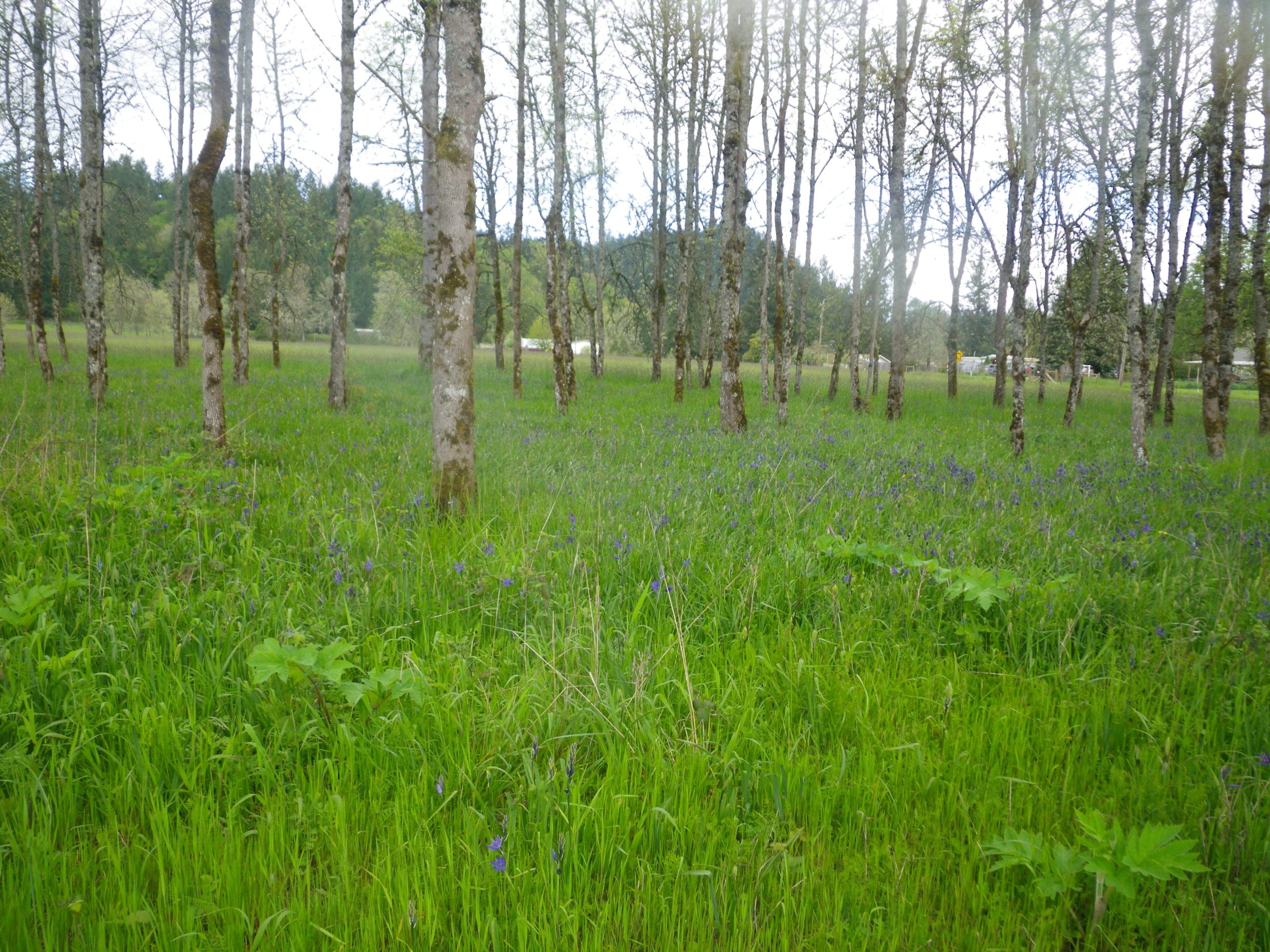
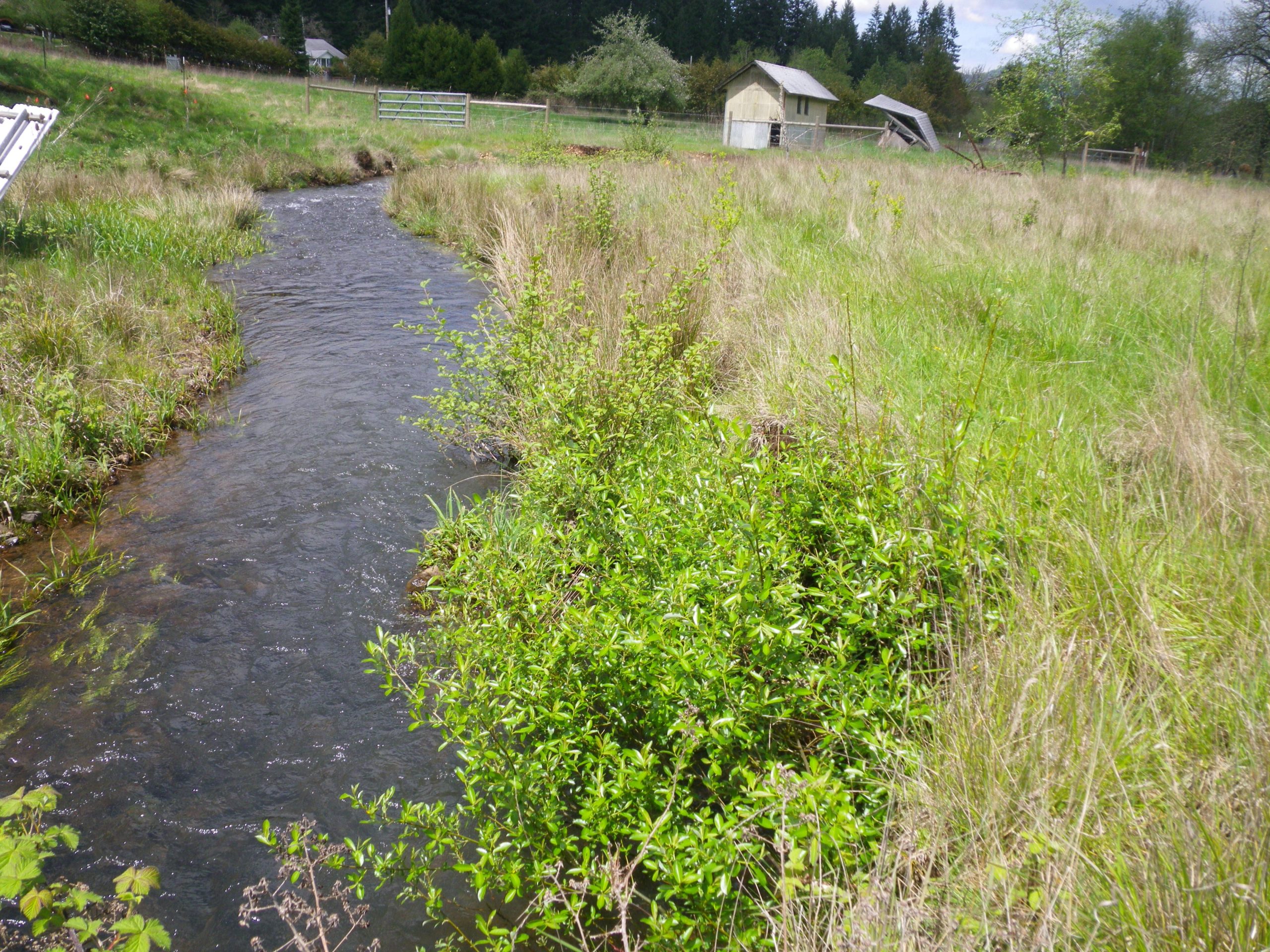
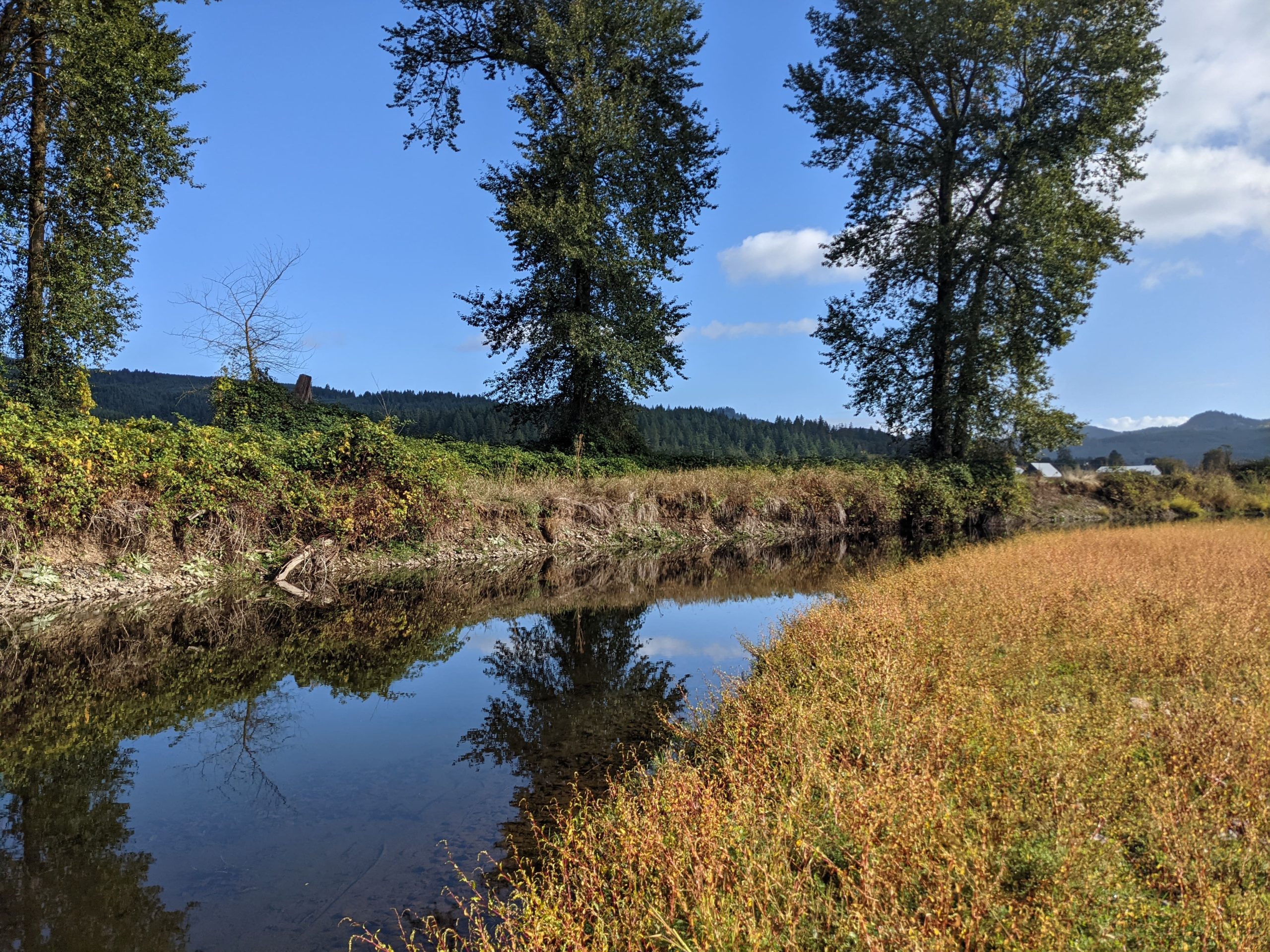
Stream temperature is a delicate balance influenced by airflow, water volume, and—most importantly—riparian cover. To bolster this natural defense, CWC and R. Franco Restoration have installed 10,000 native plants along the banks of the Calapooia River and Brush Creek. As this “living buffer” matures, it protects the water in three key ways:
DIRECT SHADE
Shading the water’s surface to block solar heating.
STREAM CHANNELING
Helping the creek become narrower and deeper, which naturally maintains lower temperatures.
SUB-SURFACE STORAGE
Increasing soil moisture to ensure cooler, consistent water flow even during the late summer months.
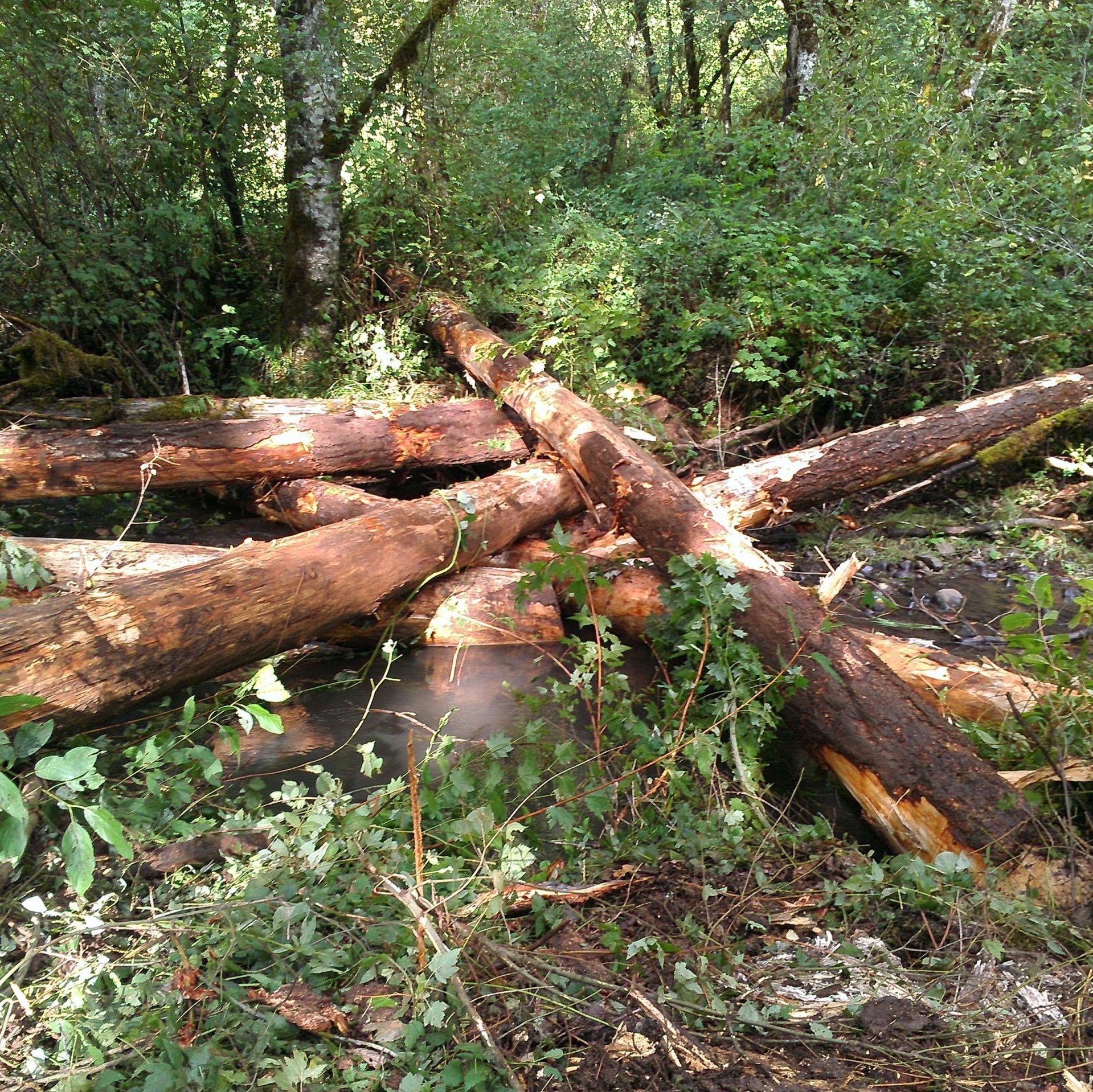
The goal of the monitoring partnership is to gather long-term stream temperature data on agricultural lands in small watersheds. Then, compare stream temperature changes to changes in streamside vegetation that result from riparian enhancements.