
Restoring the Willamette Confluence
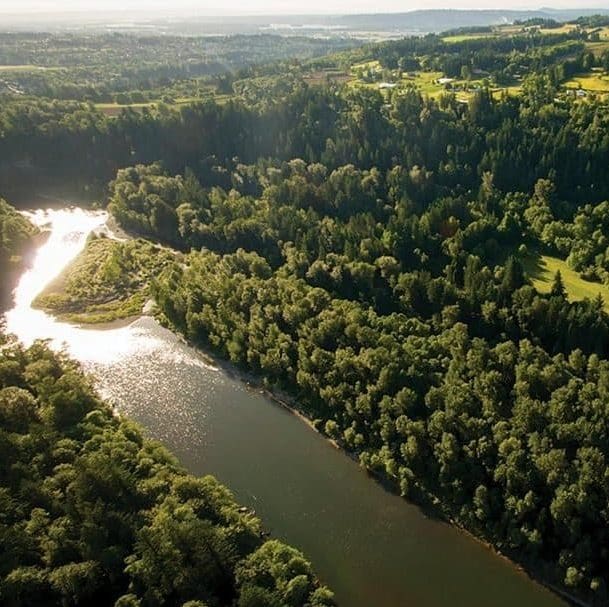
The Calapooia Watershed Council (CWC) is partnered with the City of Albany, Mid-Valley River Connections, and Private Landowners, to focus restoration efforts in the middle of the Willamette River system, namely the City of Albany reach.
A significant strategic effort is underway to revitalize and develop projects along the mainstem. By protecting and adding complexity to this vital section of the Willamette River system, we are creating essential off-channel habitats and thermal refuges for native salmonids. These improvements not only bolster fish populations but also drive significant gains in water quality and provide a visible platform for public engagement in basin-wide conservation.
The Albany Oxbows Restoration, backed by funding from the Bonneville Power Administration, NOAA, & previously OWEB, the Council is moving forward with a critical project within the Albany Oxbows complex near Third and Fourth Lakes.
Currently, failed culverts and derelict berms impounding old log-corralling ponds create “fish traps.” While these areas connect to the Willamette during high water, levels recede too quickly as flows drop, stranding migratory fish. Our project will replace these failed structures and breach outdated berms, restoring natural connectivity and ensuring safe passage for fish at all water levels.
A Living Classroom for Future Stewards
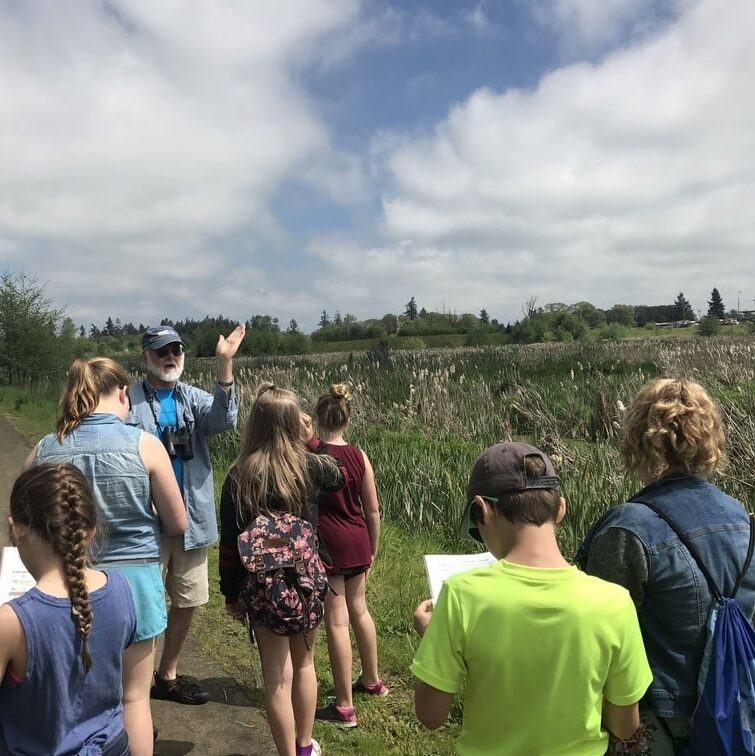
The Albany Oxbows complex is far more than a restoration site; it is one of our region’s premier “living classrooms.” This dynamic landscape allows us to demonstrate firsthand how healthy floodplains act as the lungs of our local rivers. Each year, we welcome approximately 500 students on immersive field trips, offering them the chance to see how native wildlife thrives in restored habitats. By connecting youth directly to this landscape, we aren’t just restoring a creek—we are cultivating a lifelong appreciation for the natural systems that sustain our community.
Restoring Natural Flow and Safe Passage
This restoration effort addresses multiple critical bottlenecks in the watershed by replacing several large, failed culverts that currently block fish migration. By breaching outdated berms at strategic locations, we will restore the “throughflow”—the natural movement of water across the landscape. This increased hydrologic connectivity transforms stagnant, dangerous areas into a dynamic floodplain. What once functioned as a lethal trap for receding waters will become a nutrient-rich sanctuary, providing essential rearing habitat and high-water refuge for juvenile salmon, steelhead, and other native species.
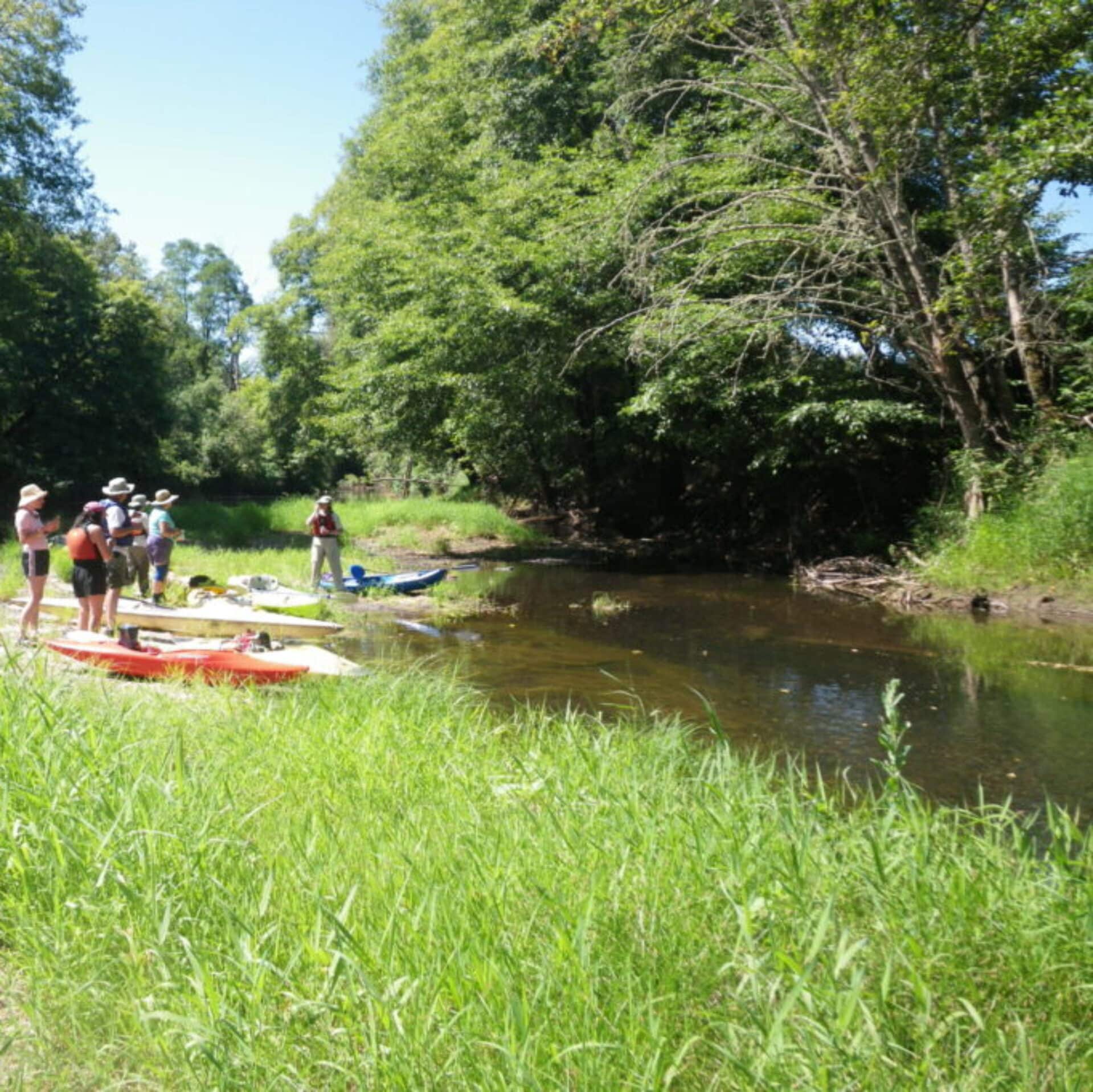


Many years of work have gone into securing funding and identifying high-priority areas of fish passage barriers in this location. Designs are close to completion and implementation planning is underway with a goal date of Summer 2026.
