

Our Work
Council History
The Calapooia River
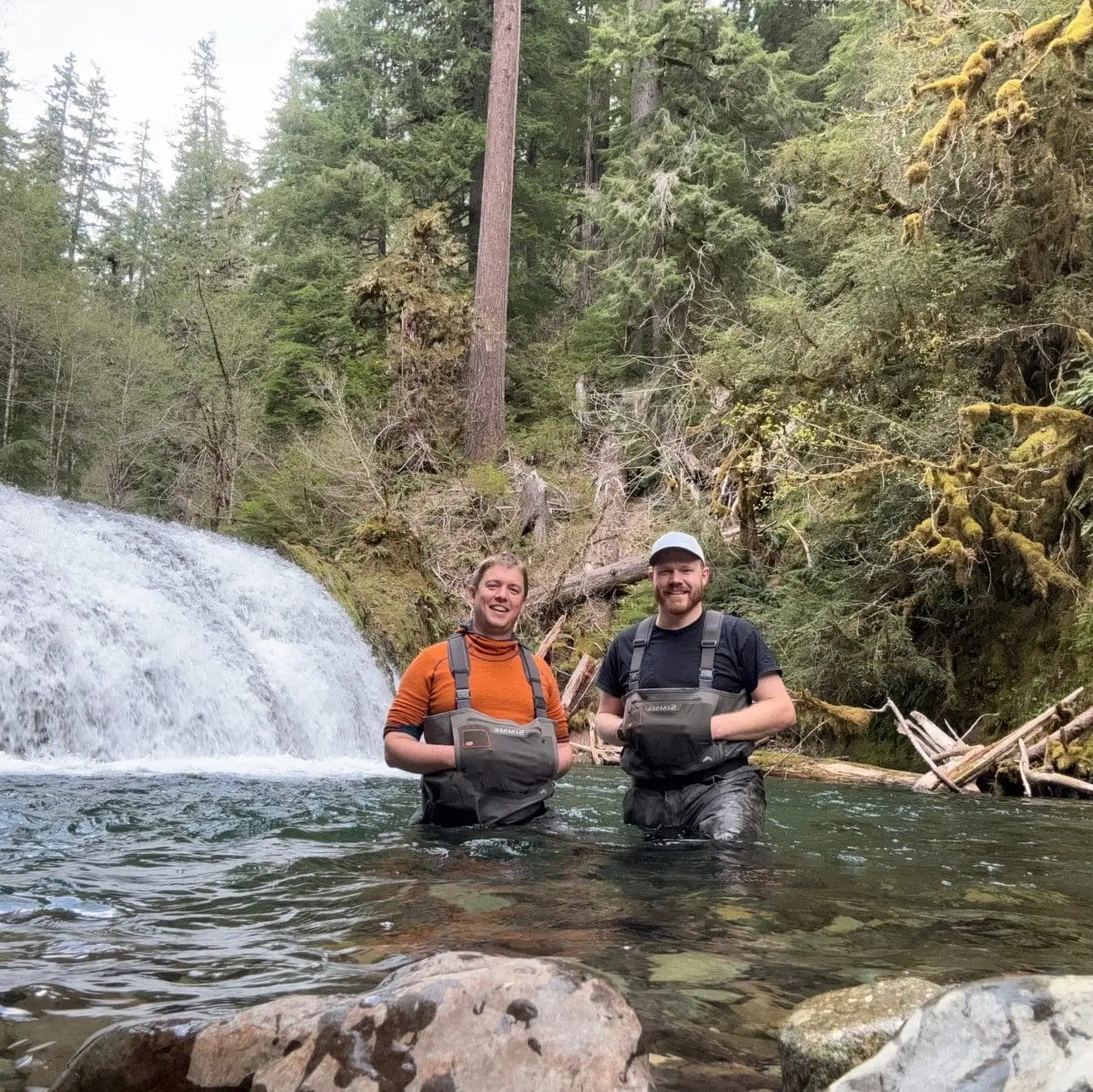
Our Work: Working for the Health of the Watershed
Habitat Restoration
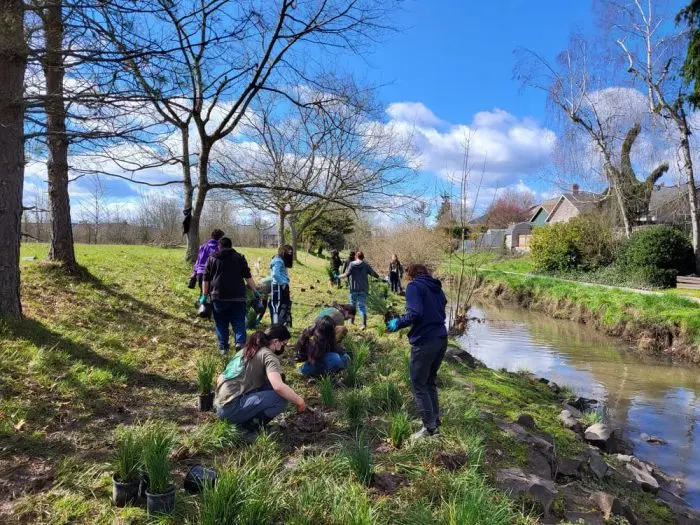
Habitat restoration is the intentional process of assisting the recovery of an ecosystem that has been degraded, damaged, or destroyed. Whether it’s replanting native forests, removing invasive species from a wetland, or reconnecting fragmented river systems, the goal is to return a landscape to its natural, self-sustaining state. By mimicking the original conditions of the environment, restoration efforts help bring back lost biodiversity, protect endangered species, and rebuild the natural “infrastructure” that provides us with clean water and air.
Education & Outreach
The Calapooia Watershed Council (CWC) is dedicated to fostering a deep-rooted sense of stewardship in tomorrow’s leaders through immersive, hands-on environmental education. Serving over 1,500 students annually, our programs bridge the gap between classroom theory and real-world conservation. From the Urban Ecology program—where students explore the intersection of human development and natural resources—to the award-winning Freshwater Snorkeling sessions that offer a unique “fish-eye view” of local river systems, we provide youth with the tools to understand and protect their home waters.
mission STATEMENT
“The Calapooia Watershed Council shall promote and sustain the health of the Calapooia Watershed. Stewardship, restoration, education, community involvement, and strategic partnerships are the tools we use in pursuit of this purpose.”
OUR VISION FOR THE WATERSHED
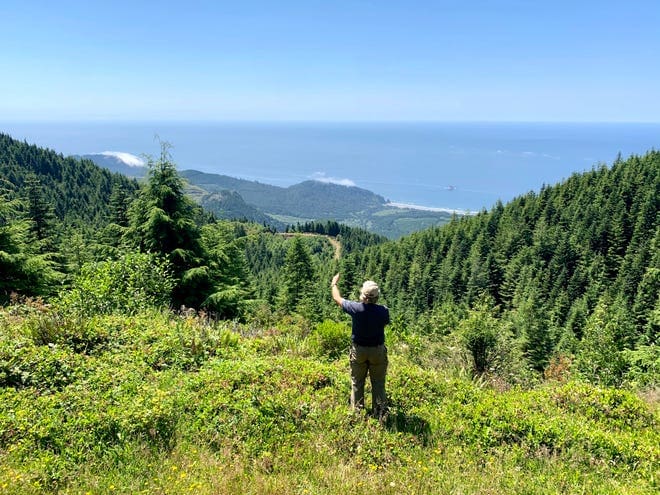
The CWC operates on a philosophy of voluntary, community-led action. Our long-term vision is often described as “reconnecting the pearls of the Calapooia”—protecting the ecologically intact “gems” of the river (like deep pools and gallery forests) and restoring the impaired reaches between them.
To achieve this mission, the council focuses on several key pillars:
- Stewardship: Engaging private landowners—who own 94% of the watershed—to cooperate in the long-term protection of the land.
- Restoration: Implementing high-priority projects such as fish passage improvements, oak savanna restoration, and invasive species control.
- Education: Providing “fish-eye views” of the ecosystem through youth programs like Freshwater Snorkeling and Salmon Watch.
- Community: Embracing the idea that “we are the watershed and the watershed is us,” ensuring diverse stakeholders have a voice in natural resource management.
Council History
Community inspired since 1999
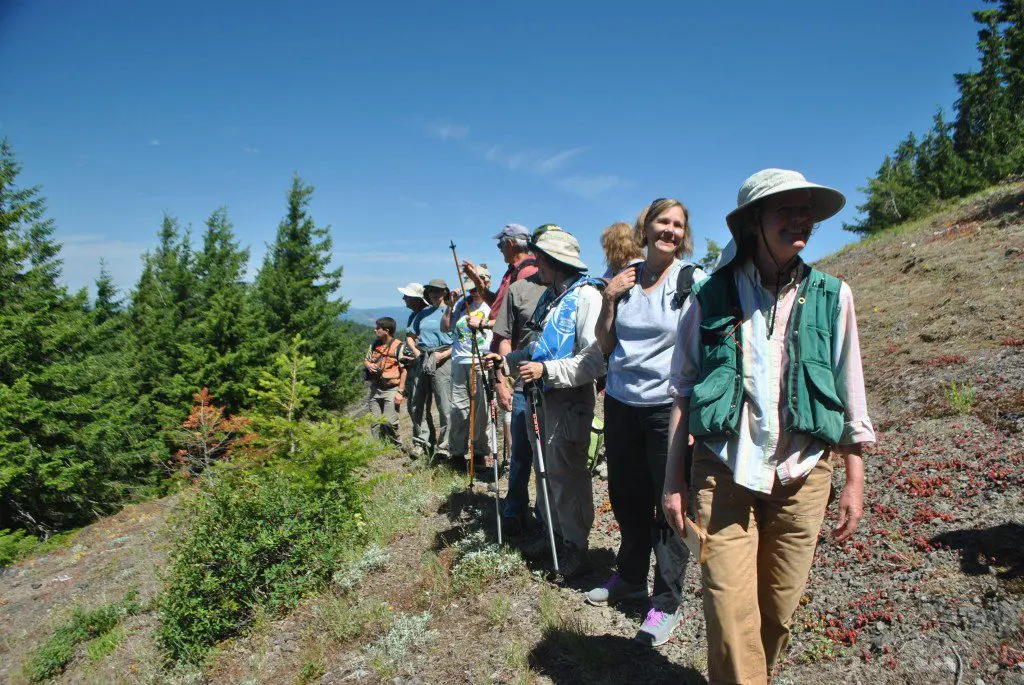
The Calapooia Watershed Council was formed in February 1999, stemming from community discussions about the economic, fish and wildlife, and recreational uses of the Calapooia River. This grassroots initiative aimed to foster a deeper understanding of the watershed and its various uses.
The Council’s mission is to promote and sustain the health of both the Calapooia Watershed and its surrounding communities. On November 17, 2008, the Calapooia Watershed Council officially incorporated in Oregon as a public benefit nonprofit corporation.
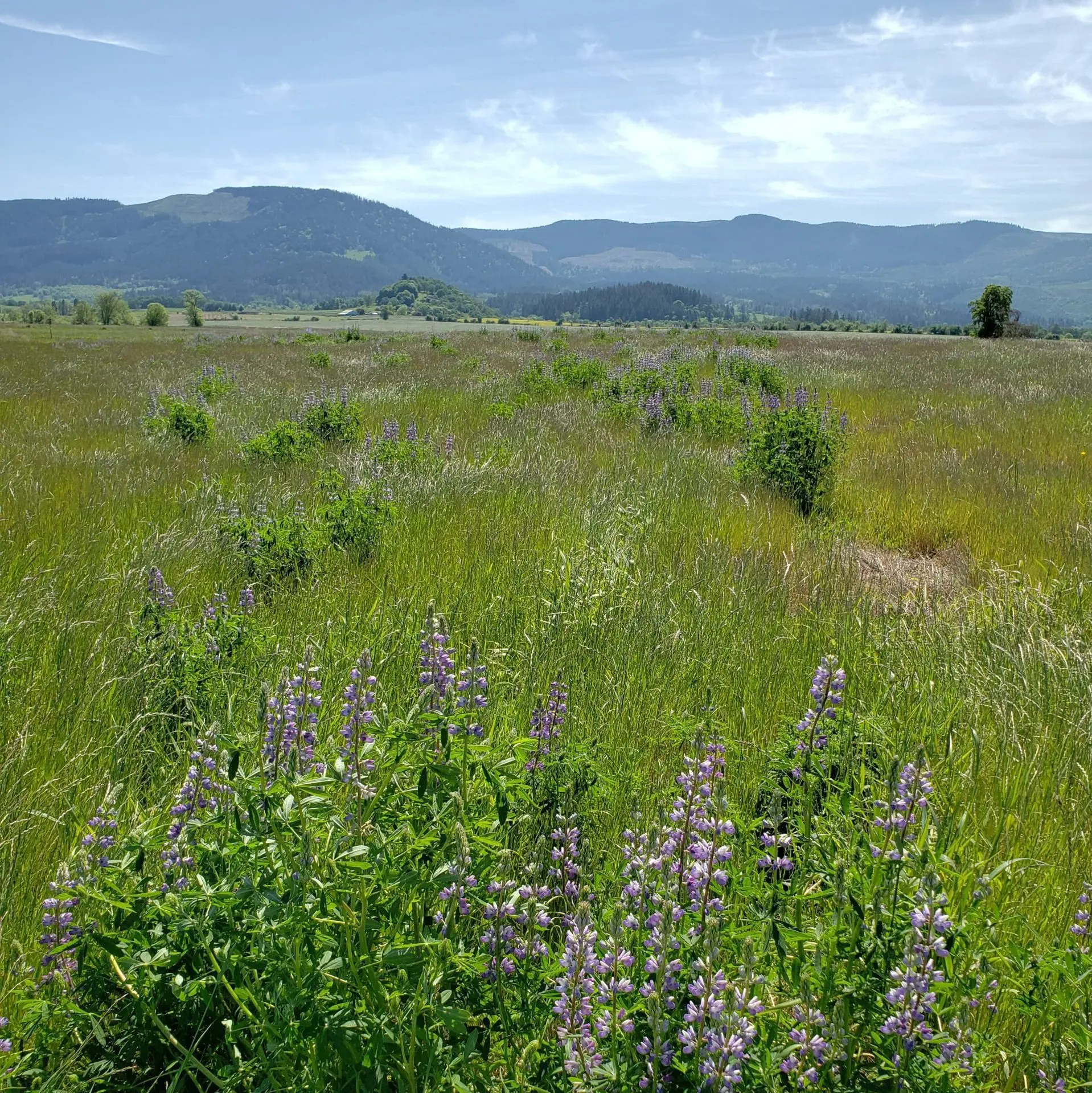
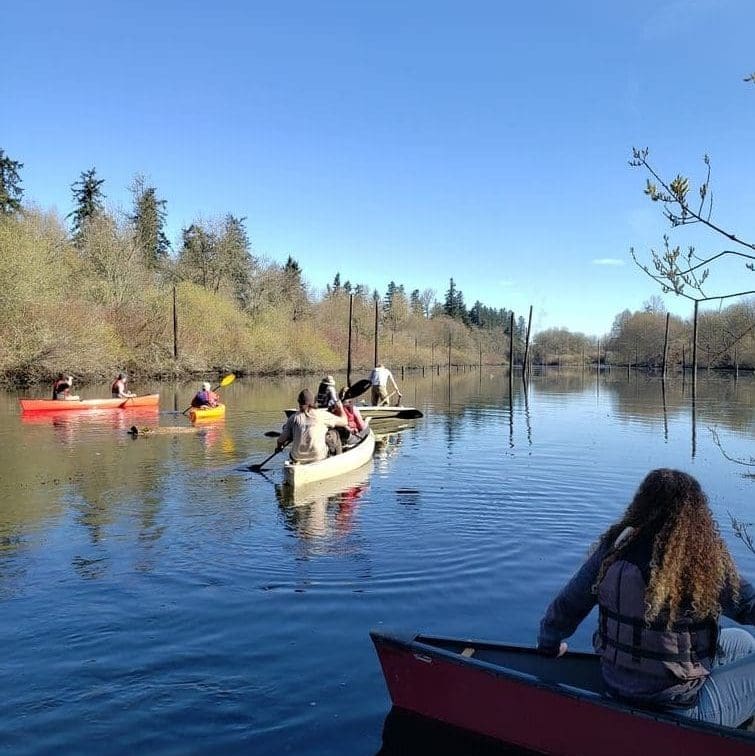
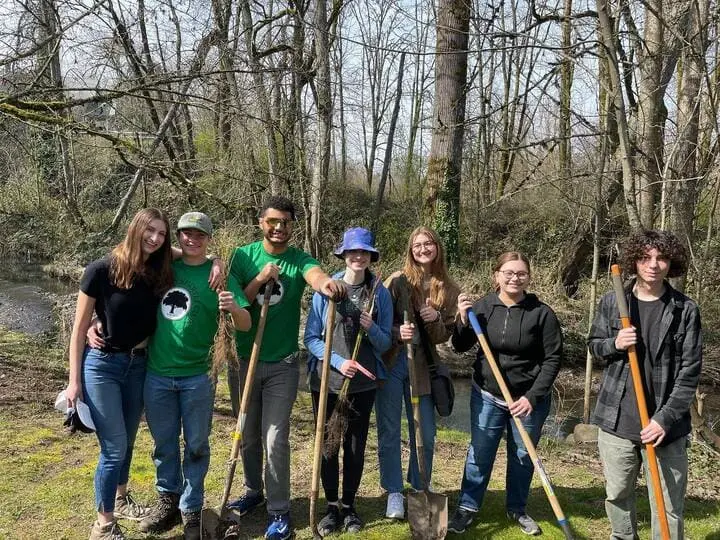
The formation of the Calapooia Watershed Council, like many others across Oregon, was a direct response to Governor Kitzhaber’s “Oregon Plan.” This comprehensive statewide effort, formally known as the Oregon Plan for Salmon and Watersheds, was initiated in 1997.
The Oregon Plan, which included the Governor’s Coastal Salmon Restoration Initiative and was supported by legislation like House Bill 3441 (from the 1995 Regular Session of the Oregon Legislative Assembly), aimed to address critical
environmental issues in the state.
Restore threatened & endangered Pacific Northwest salmon populations:
Salmon are culturally, economically, and environmentally significant to Oregon, and their declining numbers spurred a concerted effort for their recovery.

Improve water quality:
Many of Oregon’s waterways did not meet federal clean water standards.

Strengthen ecosystems:
The plan recognized the vital link between healthy watersheds and sustainable communities.
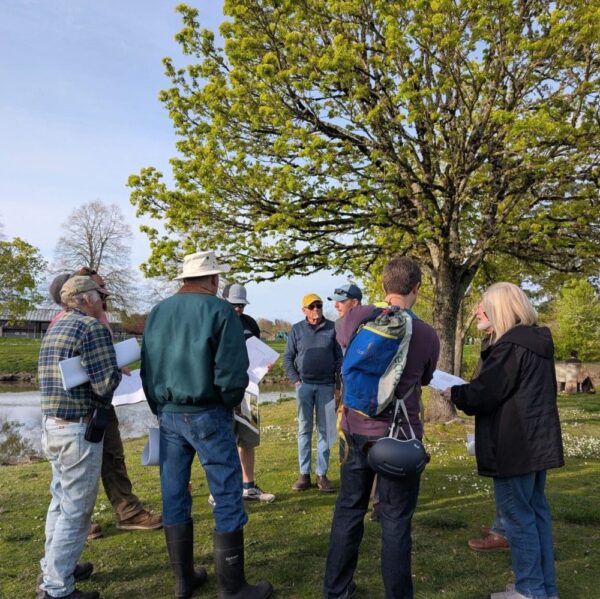
A key component of the Oregon Plan was the emphasis on voluntary, local action and the establishment of watershed councils. These councils, like the Calapooia Watershed Council, were designed to bring together local residents, landowners, businesses, and government agencies to collaboratively assess watershed conditions, develop action plans, and implement restoration projects. This approach allowed for solutions tailored to the specific needs and characteristics of each watershed, fostering a sense of local ownership and commitment to environmental stewardship.
Participation in Calapooia Watershed Council is open to the public and a balanced representation is sought for the Watershed Council of all stakeholder groups.